

Hey there! As a supplier of Seawater Desalination RO Systems, I often get asked about the standby mode of these systems and how to use it properly. So, let's dive right in and explore this topic.
What is the Standby Mode of a Seawater Desalination RO System?
Standby mode, in simple terms, is a low - energy consumption state for the seawater desalination RO system. When the system is in standby mode, it's not actively producing fresh water at its full capacity, but it's still ready to quickly resume normal operation when needed.
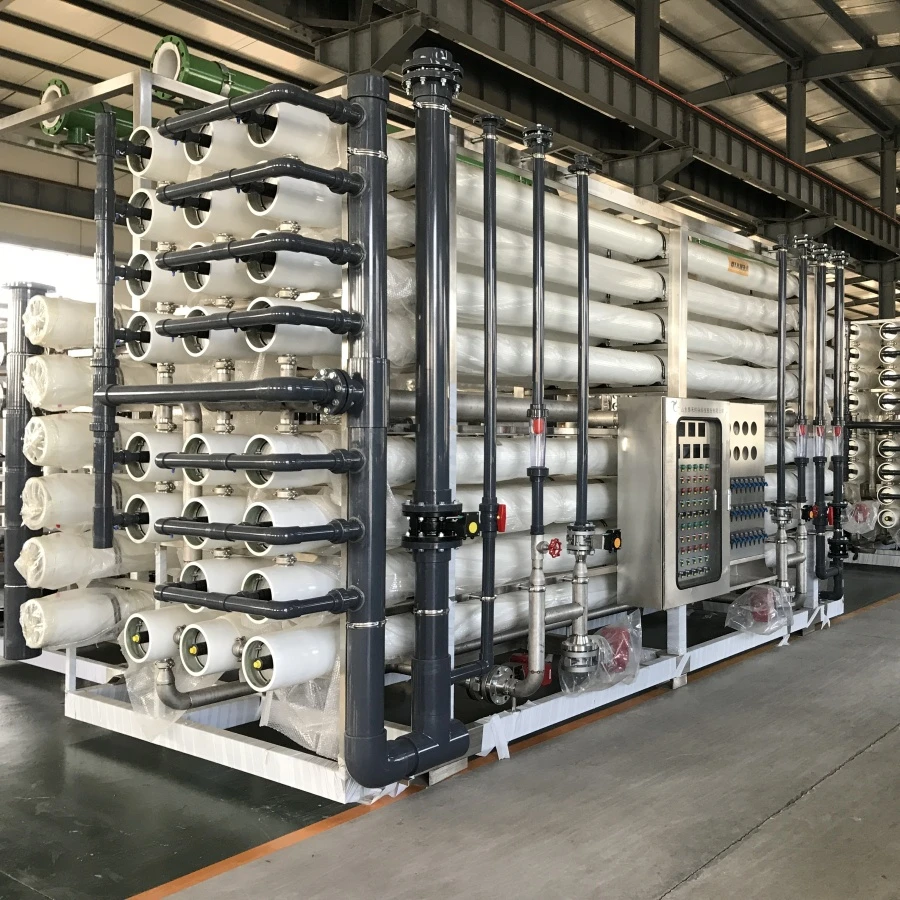

Think of it like your phone on standby. It's not doing much, but you can pick it up and start using it right away. In the case of a seawater desalination RO system, standby mode helps to save energy and reduce wear and tear on the components when there's no immediate demand for desalinated water.
During standby mode, some of the key components of the RO system are still running, but at a reduced level. For example, the pumps may be operating at a lower speed, and the pressure in the system is maintained at a minimum level. This ensures that the membranes, which are the heart of the RO system, are kept in a proper condition and are ready for action.
Why is Standby Mode Important?
There are several reasons why standby mode is crucial for a seawater desalination RO system.
First of all, energy efficiency. Running a seawater desalination RO system requires a significant amount of energy, especially when it comes to pumping seawater through the membranes at high pressure. By putting the system in standby mode during periods of low demand, you can save a substantial amount of energy. This not only reduces your operating costs but also makes the system more environmentally friendly.
Secondly, it helps to extend the lifespan of the system components. Constantly running the system at full capacity can cause excessive wear and tear on the pumps, membranes, and other parts. In standby mode, the components are under less stress, which means they are less likely to break down or require frequent maintenance.
Finally, standby mode allows for a quick response to changing water demand. If there's a sudden increase in the need for desalinated water, the system can be easily switched from standby to full - operation mode in a short period of time.
How to Use the Standby Mode
Now that we understand what standby mode is and why it's important, let's talk about how to use it effectively.
Step 1: Monitor Water Demand
The first step is to closely monitor the water demand. You need to have a good understanding of when the demand for desalinated water is likely to be low. This could be during off - peak hours, such as late at night or on weekends. By keeping an eye on the water consumption patterns, you can determine the appropriate times to put the system in standby mode.
Step 2: Prepare the System for Standby
Before switching the system to standby mode, you need to make sure that it's properly prepared. This involves reducing the flow rate of seawater into the system and adjusting the pressure settings. You also need to ensure that the chemical dosing systems, which are used to prevent scaling and fouling of the membranes, are still functioning correctly.
Step 3: Activate Standby Mode
Once the system is prepared, you can activate the standby mode. This is usually done through the control panel of the RO system. The control panel allows you to set the parameters for standby mode, such as the minimum pressure and flow rate. After setting the parameters, simply press the standby button, and the system will gradually adjust to the standby state.
Step 4: Monitor the System in Standby Mode
Even when the system is in standby mode, it's important to monitor it regularly. Check the pressure, temperature, and flow rate readings on the control panel to make sure that everything is within the normal range. If you notice any abnormal readings, it could indicate a problem with the system, and you should take appropriate action.
Step 5: Resume Normal Operation
When the demand for desalinated water increases, you can switch the system from standby to normal operation mode. This is usually a straightforward process. Just press the start button on the control panel, and the system will gradually increase the flow rate and pressure to the normal operating levels.
Our Seawater Desalination RO Systems
At our company, we offer a wide range of seawater desalination RO systems that are designed to be energy - efficient and easy to operate. Whether you need an Industrial Seawater Reverse Osmosis Unit for large - scale industrial applications, a Commercial Reverse Osmosis Systems for commercial buildings, or a Semiconductor Reverse Osmosis System for high - tech manufacturing, we've got you covered.
Our systems come with advanced control panels that make it easy to activate and manage the standby mode. We also provide comprehensive training and support to ensure that you can use the standby mode effectively and get the most out of your RO system.
Conclusion
Standby mode is an essential feature of seawater desalination RO systems. It offers significant benefits in terms of energy efficiency, component lifespan, and quick response to changing water demand. By following the steps outlined above, you can use the standby mode effectively and ensure the smooth operation of your RO system.
If you're interested in learning more about our seawater desalination RO systems or have any questions about standby mode, don't hesitate to reach out. We're here to help you make the right choice for your water desalination needs. Let's start a conversation and see how we can work together to provide you with a reliable and efficient seawater desalination solution.
References
- "Seawater Desalination: A Global Outlook" by the International Desalination Association.
- "Reverse Osmosis Membrane Technology" by the American Water Works Association.