

What are the noise levels of a Containerized Desalination System?
As a supplier of Containerized Desalination Systems, I often receive inquiries about various aspects of our products, and one question that comes up frequently is about the noise levels of these systems. Understanding the noise levels of a Containerized Desalination System is crucial for both the operators and the surrounding environment. In this blog post, I will delve into the factors that influence the noise levels of these systems, typical noise level ranges, and how we address noise concerns.
Factors Influencing Noise Levels
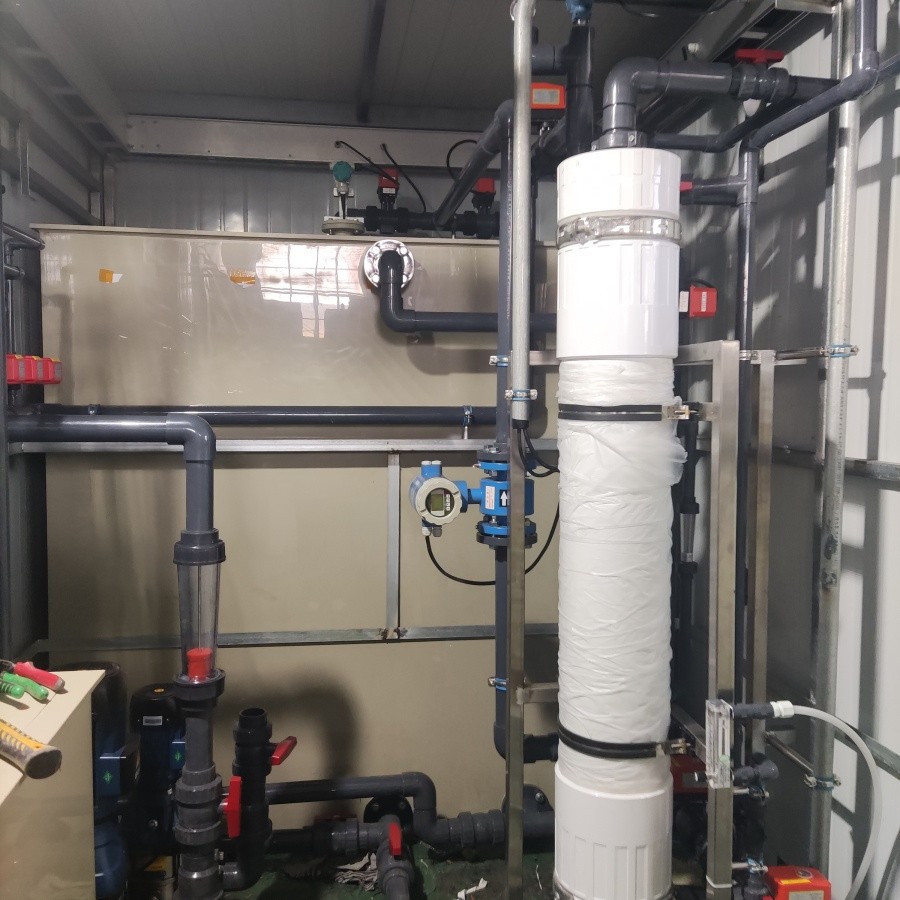
Several factors contribute to the noise generated by a Containerized Desalination System. One of the primary sources of noise is the pumps. The high - pressure pumps used in Reverse Osmosis Desalination System play a vital role in forcing water through the semi - permeable membranes to separate salt and other impurities. These pumps operate under significant pressure, and the mechanical motion within them, such as the rotation of impellers and the movement of pistons in some pump types, generates noise. The power and speed of the pumps are directly related to the noise they produce. Higher - capacity pumps generally require more energy and thus tend to be noisier.
Another significant noise source is the motors. The motors power not only the pumps but also other components within the system, like the feed water intake system and the brine discharge system. The electrical and mechanical operations of the motors, including the rotation of the motor shaft and the magnetic interactions within the motor windings, create vibrations that are transmitted as sound. The size and efficiency of the motors can influence the noise levels. Less efficient motors may generate more heat and mechanical stress, which in turn can lead to increased noise.
The process of water flow and the movement of water through pipes and valves also contribute to the overall noise. Turbulence in the pipes can cause water to create noise, especially when the flow rate is high or when there are sudden changes in the pipe diameter or direction. Additionally, the operation of valves, such as the opening and closing of control valves, can produce audible clicks and hisses.
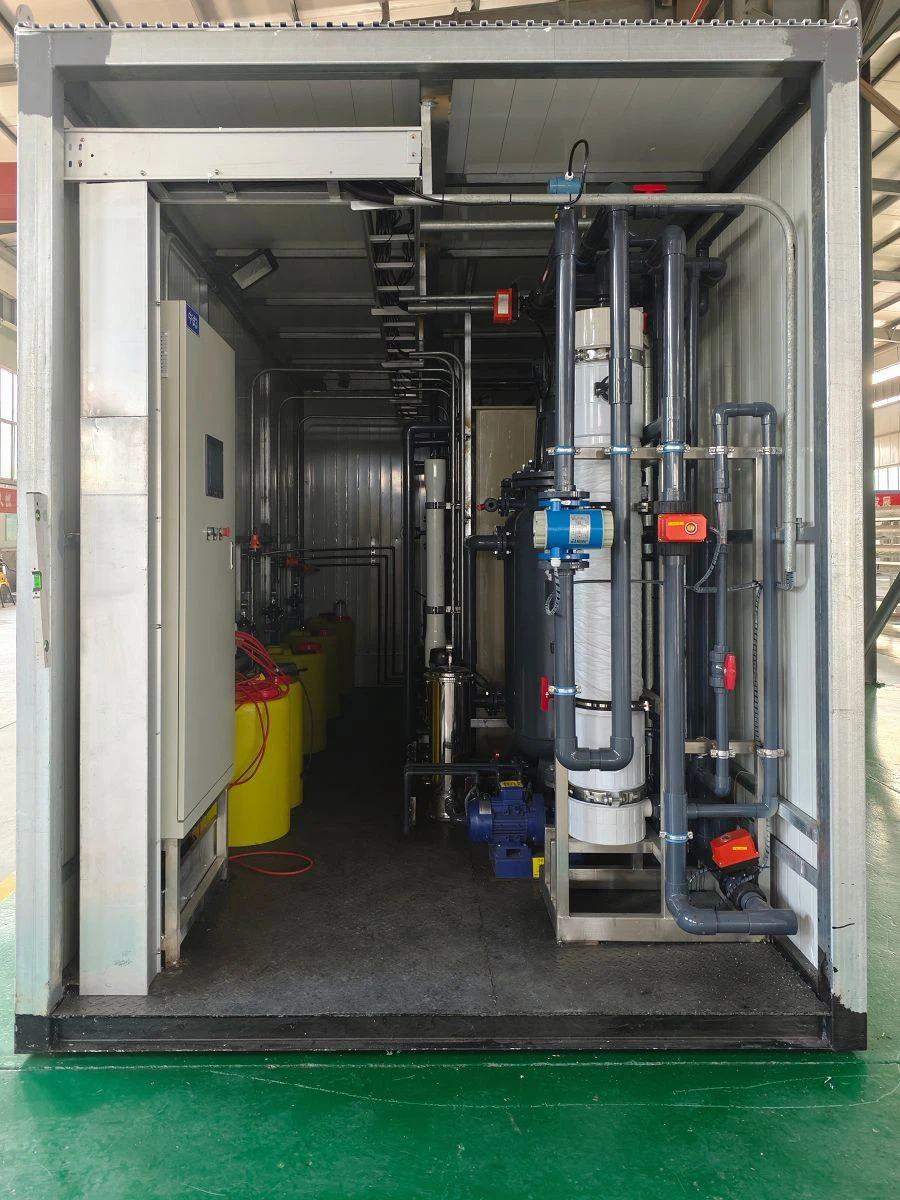
The design and construction of the container housing the desalination system can either amplify or dampen the noise. A poorly insulated container may allow more noise to escape, while a well - designed container with sound - absorbing materials can significantly reduce the external noise levels.
Typical Noise Level Ranges
The noise levels of a Containerized Desalination System can vary widely depending on the system's capacity, design, and operating conditions. In general, smaller capacity systems with lower - power pumps and motors tend to produce less noise. For a small - scale Containerized Desalination System with a daily production capacity of around 10 - 50 cubic meters of fresh water, the noise levels at a distance of 1 meter from the container can range from 60 - 70 decibels (dB). This is comparable to the noise level of normal conversation in a busy office environment.
Medium - scale systems, with a production capacity of 50 - 200 cubic meters per day, may have noise levels in the range of 70 - 80 dB at a 1 - meter distance. This is similar to the noise level of a vacuum cleaner operating at a close range.
Large - scale Containerized Desalination Plants with a production capacity of over 200 cubic meters per day can generate noise levels of 80 - 90 dB or even higher near the system. At this level, the noise is similar to the noise produced by a food blender or a noisy factory machine. However, it's important to note that these noise levels are measured close to the system. As the distance from the system increases, the noise levels decrease significantly according to the inverse square law.
Addressing Noise Concerns
At our company, we are well aware of the impact of noise on both the operators and the surrounding environment. Therefore, we take several measures to minimize the noise levels of our Containerized Desalination Systems.
First, we carefully select the pumps and motors. We work with leading manufacturers to source high - efficiency pumps and motors that are designed to operate with minimal noise. These components are engineered to have smooth mechanical operations and reduced vibrations. For example, we use pumps with advanced impeller designs that can achieve the required pressure with less turbulence, thereby reducing the noise generated during water flow.
Second, we incorporate sound - absorbing materials into the design of the container. The container walls are lined with specialized insulation materials that can absorb and dissipate the sound energy. These materials are chosen for their high sound - absorption coefficients and durability. Additionally, we design the internal layout of the container to isolate the noisy components from each other and from the areas where operators may be present. For instance, the pumps and motors are placed in separate compartments within the container, and these compartments are further insulated to prevent the spread of noise.
Third, we use vibration - isolation mounts for the pumps and motors. These mounts are designed to reduce the transmission of vibrations from the equipment to the container structure. By minimizing the vibrations, we can effectively reduce the noise generated by the equipment.
We also provide detailed installation and operating guidelines to our customers. Proper installation, including the correct alignment of pipes and the use of flexible connectors, can help reduce water flow noise. And following the recommended operating procedures, such as maintaining the optimal flow rate and pressure, can ensure the equipment operates at its most efficient and quietest state.
The Importance of Noise Consideration in Applications
In many applications, the noise levels of a Containerized Desalination System can be a critical factor. For example, in coastal resorts or residential areas, low - noise operation is essential to avoid disturbing the guests or residents. A noisy desalination system can have a negative impact on the quality of life in these areas and may even lead to complaints.
In military applications, stealth and low - noise operation are highly valued. A noisy desalination system can give away the location of military installations or operations. Therefore, our low - noise Containerized Desalination Systems are well - suited for such sensitive applications.
In remote areas where the desalination system may be located near wildlife habitats, minimizing noise is crucial to avoid disturbing the local ecosystem. Excessive noise can disrupt the behavior and communication of animals, which can have long - term ecological impacts.
Conclusion
In conclusion, the noise levels of a Containerized Desalination System are influenced by multiple factors, including the pumps, motors, water flow, and container design. However, through careful component selection, the use of sound - absorbing materials, and proper installation and operation, we can effectively control and reduce the noise levels.
If you are considering purchasing a Containerized Desalination System and have concerns about noise levels or any other aspects of our products, please feel free to contact us for a detailed discussion. We are committed to providing you with the best solutions that meet your specific needs.
References
- Smith, J. (2018). "Noise Reduction Techniques in Water Treatment Systems." Journal of Water Technology, 25(3), 78 - 85.
- Johnson, A. (2019). "The Impact of Noise on Coastal Ecosystems and the Role of Desalination Systems." Environmental Science Review, 12(2), 112 - 120.
- Brown, C. (2020). "Advances in Low - Noise Pump Design for Desalination Applications." International Journal of Desalination Technology, 30(4), 156 - 163.