

Mine water treatment is a critical aspect of the mining industry, aiming to ensure the safety of the environment and comply with regulatory requirements. Reverse osmosis (RO) systems have emerged as a reliable solution for treating mine water, effectively removing various contaminants. As a supplier of Reverse Osmosis Mine Water treatment systems, I am well - versed in the key components that make these systems highly efficient and reliable.
Pretreatment Components
Screen Filters
The first line of defense in a reverse osmosis system for mine water treatment is the screen filter. Mine water often contains large particles such as sand, gravel, and debris. Screen filters are designed to physically block these large particles, preventing them from entering the subsequent treatment stages. They typically consist of a mesh screen with a specific pore size, which can be selected based on the size of the particles expected in the mine water. By removing these large particles early on, screen filters protect the more sensitive components of the RO system from damage and clogging.
Multimedia Filters
After passing through the screen filter, the mine water moves on to the multimedia filter. These filters are filled with multiple layers of different media, such as anthracite, sand, and gravel. The different media have varying particle sizes and densities, which allows them to capture particles of different sizes. The anthracite layer, with its larger pores, captures larger particles first, while the sand layer captures smaller particles, and the gravel layer provides support at the bottom. Multimedia filters are effective in removing suspended solids, turbidity, and some organic matter from the mine water.
Activated Carbon Filters
Activated carbon filters play a crucial role in removing organic compounds, chlorine, and some heavy metals from the mine water. Activated carbon has a large surface area with many pores, which allows it to adsorb contaminants. Organic compounds, such as pesticides, solvents, and natural organic matter, can foul the RO membranes and reduce their performance. Chlorine, which is often present in the water source, can also damage the RO membranes. Activated carbon filters remove these contaminants, protecting the RO membranes and extending their lifespan.
Softeners
Hard water, which contains high levels of calcium and magnesium ions, can cause scaling on the RO membranes. Scaling reduces the efficiency of the RO system and can lead to membrane failure. Softeners are used to remove these hardness ions from the mine water. They typically use ion - exchange resin, which exchanges the calcium and magnesium ions for sodium ions. This process effectively reduces the hardness of the water, preventing scaling on the RO membranes.
Reverse Osmosis Membrane Assembly
RO Membranes
The heart of the reverse osmosis system is the RO membranes. These membranes are semi - permeable, allowing water molecules to pass through while rejecting most dissolved salts, heavy metals, and other contaminants. RO membranes are typically made of thin - film composite (TFC) materials, which offer high rejection rates and good water permeability. The quality of the RO membranes is crucial for the performance of the entire system. High - quality membranes can provide better rejection of contaminants and higher water production rates.
Pressure Vessels
RO membranes are housed in pressure vessels. These vessels are designed to withstand the high pressure required for the reverse osmosis process. They are typically made of fiberglass - reinforced plastic (FRP) or stainless steel. The pressure vessels protect the RO membranes from external damage and ensure that the water flows through the membranes evenly. Proper design and installation of the pressure vessels are essential to prevent membrane damage and ensure the efficient operation of the RO system.
Feed Pumps
Feed pumps are used to supply the mine water to the RO membranes at the required pressure. The pressure required for reverse osmosis depends on the type of contaminants in the water and the desired water quality. Feed pumps need to be carefully selected based on the flow rate and pressure requirements of the RO system. They should be able to provide a stable and consistent flow of water to the membranes to ensure optimal performance.
Post - treatment Components
pH Adjustment Systems
After passing through the RO membranes, the treated water may have an acidic or alkaline pH. pH adjustment systems are used to bring the pH of the treated water within the desired range. This is important for the safety and usability of the treated water. For example, if the water is too acidic, it can corrode pipes and equipment. pH adjustment is typically achieved by adding chemicals such as acids or alkalis to the water.
Disinfection Systems
Disinfection systems are used to kill any remaining bacteria, viruses, and other microorganisms in the treated water. Chlorination is a common method of disinfection, where chlorine is added to the water. However, other methods such as ultraviolet (UV) disinfection and ozonation are also used. UV disinfection uses ultraviolet light to inactivate microorganisms, while ozonation uses ozone gas. These methods are effective in ensuring the microbiological safety of the treated water.
Monitoring and Control Components
Sensors
Sensors are used to monitor various parameters of the RO system, such as pressure, flow rate, conductivity, and pH. Pressure sensors are installed at different points in the system to monitor the pressure drop across the membranes and other components. Flow sensors measure the flow rate of the water, which is important for ensuring the proper operation of the system. Conductivity sensors are used to measure the salt concentration in the water, which indicates the performance of the RO membranes. pH sensors monitor the pH of the water, allowing for timely adjustment.
Control Panels
Control panels are the brain of the RO system. They receive signals from the sensors and control the operation of the various components of the system. For example, if the pressure drop across the membranes exceeds a certain limit, the control panel can shut down the system to prevent damage. Control panels can also adjust the flow rate of the feed pumps and the dosage of chemicals in the post - treatment systems. They are essential for the safe and efficient operation of the RO system.
Comparison with Other RO Systems
Our reverse osmosis systems for mine water treatment can be compared with other types of RO systems, such as the Semiconductor Reverse Osmosis System, Containerized Reverse Osmosis Systems, and Municipal Reverse Osmosis System. While all RO systems share the basic principle of using semi - permeable membranes to remove contaminants, the specific requirements and components can vary.
Semiconductor RO systems are designed to produce ultra - pure water for the semiconductor manufacturing industry. They require extremely high levels of purity, often with very low levels of dissolved solids and particulate matter. Our mine water treatment RO systems, on the other hand, are focused on removing contaminants commonly found in mine water, such as heavy metals, suspended solids, and organic matter.
Containerized RO systems are pre - assembled and packaged in containers for easy transportation and installation. They are suitable for applications where quick deployment is required, such as emergency water treatment or remote locations. Our mine water treatment systems can also be customized in a containerized format, but they are specifically tailored to the unique challenges of mine water treatment.
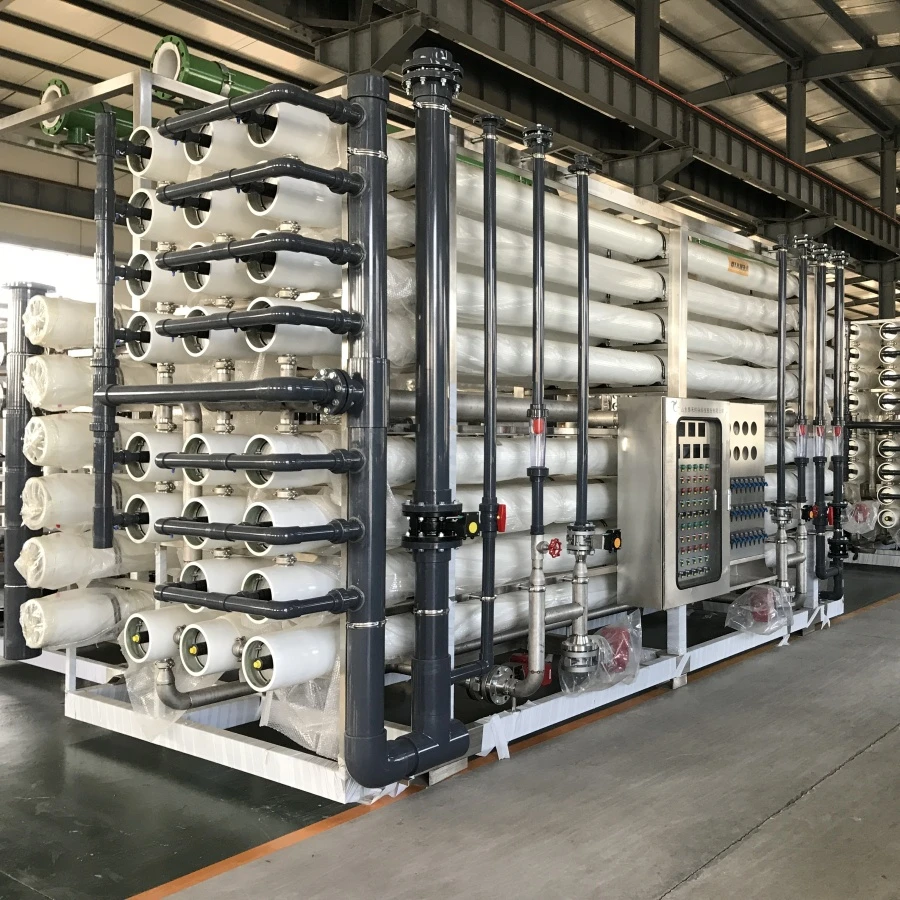

Municipal RO systems are used to treat water for public consumption. They need to meet strict regulatory standards for drinking water quality. While our mine water treatment systems also aim to produce high - quality water, they are designed to handle the specific contaminants present in mine water and may have different pretreatment and post - treatment requirements.
Conclusion
The key components of a reverse osmosis system for mine water treatment work together to ensure the effective removal of contaminants and the production of high - quality treated water. From the pretreatment components that protect the membranes to the post - treatment components that ensure the safety and usability of the water, each part plays a vital role. Monitoring and control components are essential for the safe and efficient operation of the system.
If you are in the mining industry and are looking for a reliable reverse osmosis system for mine water treatment, we are here to help. Our systems are designed with high - quality components and advanced technology to meet the specific needs of mine water treatment. Contact us to discuss your requirements and explore how our reverse osmosis systems can provide a cost - effective and efficient solution for your mine water treatment needs.
References
- Cheryan, M. Ultrafiltration and Microfiltration Handbook. Technomic Publishing, 1998.
- McGhee, T. J. Water Supply and Sewerage. McGraw - Hill, 2005.
- Crittenden, J. C., et al. Water Treatment: Principles and Design. Wiley, 2012.