

Foaming in an industrial boiler is a common yet potentially hazardous issue that can significantly impact the efficiency and lifespan of the boiler system. As a leading supplier of industrial boiler water treatment solutions, we understand the complexities associated with boiler foaming and are equipped with the expertise to address them effectively. In this blog post, we will delve into the causes of foaming in industrial boilers, the consequences of ignoring this problem, and most importantly, how to deal with it.
Understanding the Causes of Foaming in Industrial Boilers
Foaming in industrial boilers occurs when the surface tension of the boiler water is disrupted, leading to the formation of persistent bubbles. Several factors can contribute to this phenomenon:

1. High Total Dissolved Solids (TDS)
One of the primary causes of foaming is an excessive concentration of total dissolved solids in the boiler water. TDS includes salts, minerals, and other impurities that can accumulate over time as the water evaporates in the boiler. When the TDS level exceeds the recommended limit, it can lower the surface tension of the water, causing bubbles to form and persist on the water surface.
2. Organic Matter
The presence of organic matter in the boiler water, such as oil, grease, or sewage, can also lead to foaming. Organic substances can coat the surface of the water, reducing its surface tension and promoting the formation of bubbles. This can occur due to leaks in the fuel system, improper water treatment, or contamination from external sources.
3. High Alkalinity
Boiler water with high alkalinity can cause foaming. Alkaline substances, such as sodium hydroxide or sodium carbonate, can react with other components in the water to form a sticky, foam - forming substance. High alkalinity can result from improper chemical dosing or the use of hard water with high bicarbonate levels.
4. Sudden Load Changes
Rapid changes in the boiler load can also trigger foaming. When the load on the boiler increases suddenly, the water circulation pattern changes, and the steam bubbles may not be able to escape the water surface quickly enough. This can lead to the accumulation of bubbles and the formation of foam.
Consequences of Foaming in Industrial Boilers
Ignoring foaming in an industrial boiler can have serious consequences:
1. Reduced Efficiency
Foaming can reduce the efficiency of the boiler by interfering with the heat transfer process. The foam layer acts as an insulator, preventing the efficient transfer of heat from the burner to the water. This means that more fuel is required to produce the same amount of steam, leading to increased energy costs.
2. Water Carryover
Foaming can cause water carryover, where droplets of water are carried over into the steam lines along with the steam. This can contaminate the steam, which can be a problem in applications where pure steam is required, such as in the food and beverage industry or in pharmaceutical manufacturing. Water carryover can also damage steam - using equipment, such as turbines, by causing erosion and corrosion.
3. Corrosion and Scale Formation
The presence of foam can also contribute to corrosion and scale formation in the boiler. The water carryover can introduce impurities into the steam system, which can react with the metal surfaces and cause corrosion. Additionally, the accumulation of solids in the foam can lead to scale formation on the boiler tubes, reducing their heat transfer efficiency and potentially causing tube failures.
How to Deal with Foaming in Industrial Boilers
As an industrial boiler water treatment supplier, we offer a comprehensive range of solutions to address foaming:
1. Water Treatment
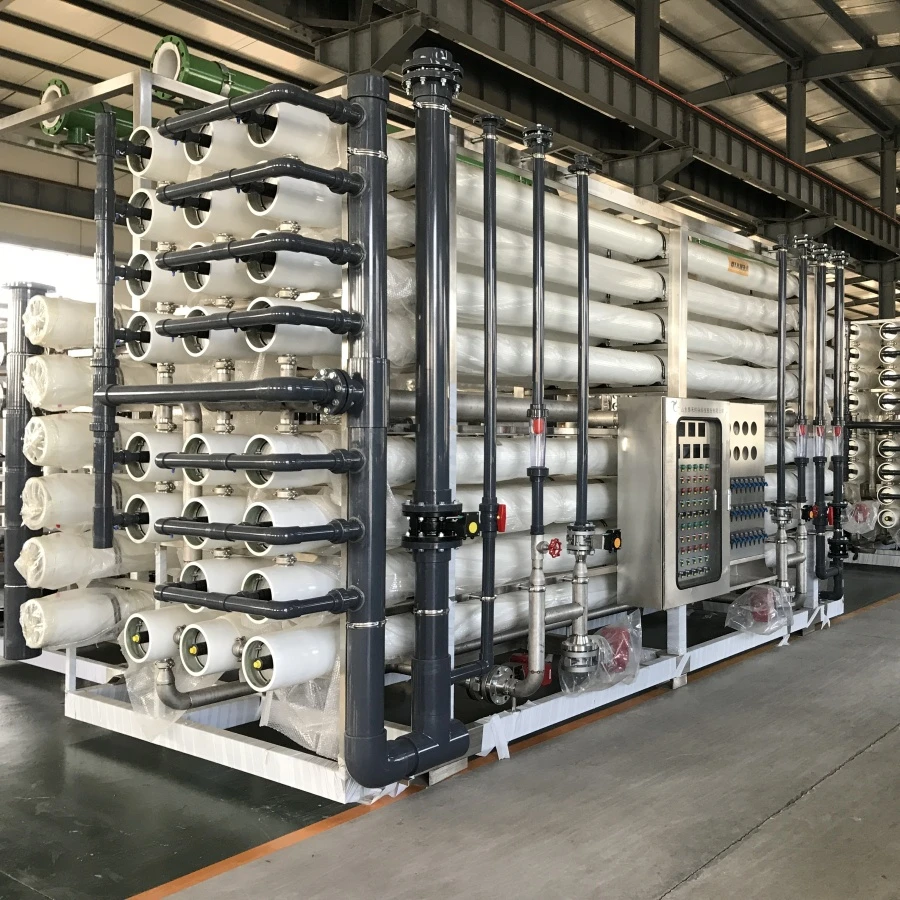
Proper water treatment is essential to prevent foaming in industrial boilers. This includes reducing the TDS level in the boiler water through processes such as reverse osmosis. Our Semiconductor Reverse Osmosis System is designed to remove a high percentage of dissolved solids from the water, ensuring that the boiler water meets the required quality standards. Additionally, our Seawater Reverse Osmosis Desalination System can be used in applications where seawater is the source of boiler feedwater, effectively removing salts and other impurities.
We also recommend the use of water treatment chemicals to control the pH, alkalinity, and hardness of the boiler water. These chemicals can help to prevent the formation of foam by maintaining the proper chemical balance in the water.
2. Blowdown
Regular blowdown is an important part of boiler maintenance to prevent foaming. Blowdown involves removing a portion of the concentrated boiler water and replacing it with fresh feedwater. This helps to reduce the concentration of dissolved solids and other impurities in the boiler water, preventing the buildup of substances that can cause foaming.
3. Monitoring and Control
Continuous monitoring of the boiler water quality is crucial to detect and address foaming issues early. We offer advanced monitoring systems that can measure parameters such as TDS, pH, alkalinity, and conductivity in real - time. By closely monitoring these parameters, we can adjust the water treatment process as needed to prevent foaming.
4. Equipment Upgrades
In some cases, upgrading the boiler equipment can help to reduce foaming. For example, installing a better steam separator can improve the separation of steam and water, reducing the likelihood of water carryover. Additionally, upgrading the burner system to ensure more stable combustion can help to prevent sudden load changes that can trigger foaming.
5. Training and Support
We provide training and support to our customers to ensure that they understand how to operate and maintain their boiler systems properly. Our team of experts can offer guidance on water treatment procedures, blowdown schedules, and equipment maintenance to prevent foaming and ensure the long - term reliability of the boiler.
Conclusion
Foaming in an industrial boiler is a serious issue that can have significant consequences for the efficiency and reliability of the boiler system. As an industrial boiler water treatment supplier, we are committed to providing our customers with the best solutions to address foaming. Our comprehensive range of water treatment products, including Commercial Reverse Osmosis Systems, along with our expertise in monitoring and control, can help you prevent foaming and ensure the optimal performance of your boiler.
If you are facing foaming issues in your industrial boiler or are interested in improving the efficiency of your boiler water treatment system, we invite you to contact us for a consultation. Our team of experts will work with you to develop a customized solution that meets your specific needs.
References
- "Steam Boilers: Operation and Maintenance" by John Doe
- "Industrial Water Treatment Handbook" by Jane Smith
- "Boiler Water Chemistry and Treatment" by Robert Johnson