

Hey there! As a supplier of Ultrapure water systems, I often get asked this question: "How long does an Ultrapure water system last?" Well, it's not a one - size - fits - all answer, and there are quite a few factors at play. So, let's dive right in and break it down.
Factors Affecting the Lifespan of an Ultrapure Water System
1. Quality of Components
The components used in an Ultrapure water system are like the building blocks. High - quality components generally last longer. For instance, a system with a top - notch reverse osmosis (RO) membrane can withstand more wear and tear. We offer different types of RO systems, such as the Semiconductor Reverse Osmosis System, Desalination RO System, and Commercial Reverse Osmosis Systems. These systems are equipped with high - grade membranes that are designed to have a longer operational life.
2. Water Source Quality
The quality of the water going into the system makes a huge difference. If you're using water that's full of contaminants like sediment, heavy metals, or organic matter, it'll put more stress on the system. Think of it like a car; if you're driving on a rough, dirty road all the time, it'll wear out the parts faster. A system dealing with highly contaminated water may need more frequent maintenance and might have a shorter overall lifespan compared to one using relatively clean water.
3. Usage Frequency
How often you use the Ultrapure water system also matters. A system that's running 24/7 is going to experience more wear than one that's used only a few hours a week. Just like any machine, the more you use it, the more likely it is to have parts that wear out. For example, the pumps in the system will get more use, and over time, the seals and other moving parts can start to degrade.
4. Maintenance and Servicing
Regular maintenance is key to extending the life of an Ultrapure water system. This includes things like changing filters, checking the pressure gauges, and sanitizing the system. If you neglect maintenance, small problems can turn into big ones quickly. For example, a clogged filter can cause the system to work harder, which can lead to premature failure of other components. It's like going to the doctor for regular check - ups; it helps catch issues before they become serious.
Typical Lifespan Ranges
On average, a well - maintained Ultrapure water system can last anywhere from 5 to 15 years. But again, this is a rough estimate. Let's break it down further based on different scenarios.
Short - Term Lifespan (5 - 7 years)
If the water source is very poor, the system is used intensively, and maintenance is lacking, the system may only last around 5 to 7 years. In this case, the components are under a lot of stress, and without proper care, they'll wear out quickly. For example, the RO membrane may get fouled faster, and the pumps may experience more mechanical failures.
Medium - Term Lifespan (7 - 10 years)
This is what you can expect if the water source is of average quality, the system is used moderately, and you keep up with basic maintenance. You'll still need to replace some parts over time, like filters and UV lamps, but with regular check - ups and part replacements, the system can function well within this time frame.

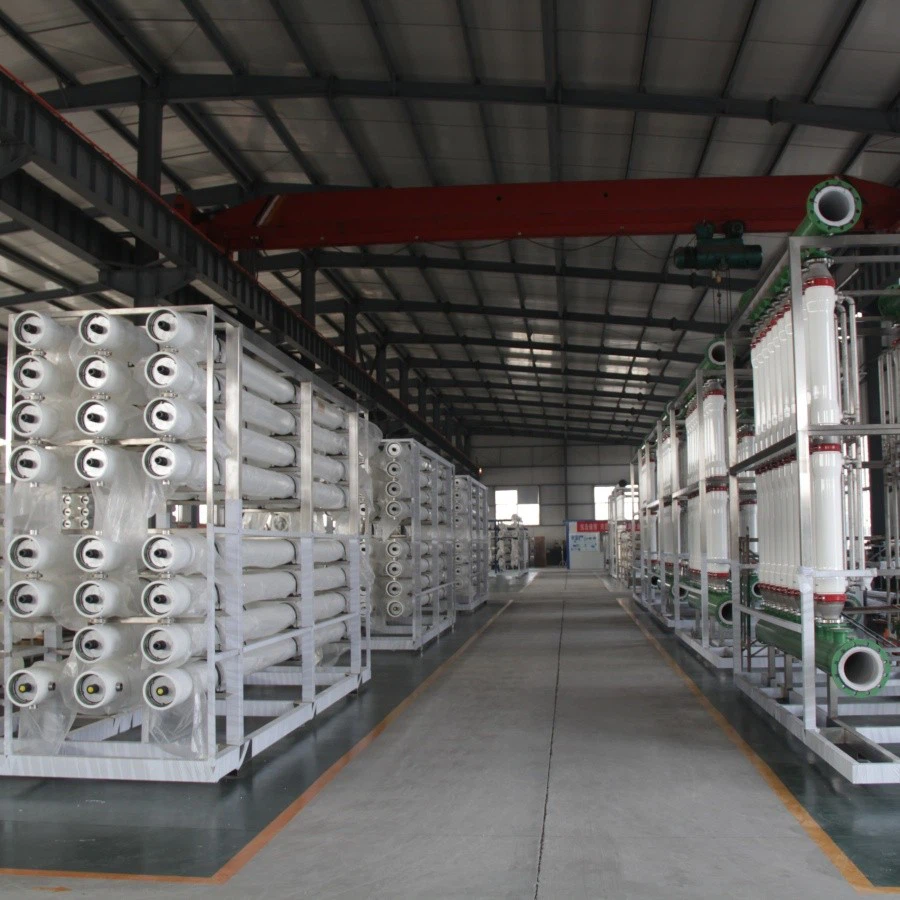
Long - Term Lifespan (10 - 15 years)
If you have a high - quality system, use a relatively clean water source, operate the system at a reasonable pace, and follow a strict maintenance schedule, you could get 10 to 15 years out of your Ultrapure water system. This is the ideal scenario, and it requires a bit of investment in terms of time and money for maintenance, but it pays off in the long run.
Extending the Lifespan of Your Ultrapure Water System
Pre - Treatment of Water
Investing in a good pre - treatment system can significantly extend the life of your Ultrapure water system. A pre - treatment system can remove a large portion of the contaminants before the water enters the main system. This reduces the load on the components and helps them last longer. For example, a sediment filter can catch large particles, and an activated carbon filter can remove chlorine and organic matter.
Training for Operators
Make sure the people operating the system are well - trained. They should know how to monitor the system, perform basic maintenance tasks, and recognize when something is wrong. A trained operator can catch issues early and take the necessary steps to prevent further damage.
Using Genuine Parts
When it's time to replace parts, always use genuine parts from the manufacturer. Generic parts may be cheaper, but they may not fit properly or perform as well as the original parts. Using non - genuine parts can void the warranty and may lead to more problems down the road.
Conclusion
So, there you have it! The lifespan of an Ultrapure water system depends on a variety of factors, but with the right approach, you can get a good number of years out of it. Whether you're in the semiconductor industry, desalination, or a commercial business, having a reliable Ultrapure water system is crucial.
If you're in the market for an Ultrapure water system or need advice on how to extend the life of your existing system, don't hesitate to reach out. We're here to help you make the best decisions for your water purification needs.
References
- Water Purification Handbook: A comprehensive guide on water treatment systems and their maintenance.
- Industry reports on the performance and lifespan of Ultrapure water systems.