

Ultrafiltration is a critical process in the production of meat-based food products, offering numerous benefits in terms of product quality, safety, and efficiency. As a supplier of Ultrafiltration in Food Industry, I have witnessed firsthand the transformative impact of this technology on the meat processing sector. In this blog post, I will delve into the intricacies of how ultrafiltration works in meat-based food production, exploring its principles, applications, and advantages.
Principles of Ultrafiltration
Ultrafiltration is a pressure-driven membrane separation process that utilizes semi-permeable membranes to separate molecules based on their size and molecular weight. The membranes used in ultrafiltration have pore sizes ranging from 0.001 to 0.1 micrometers, allowing them to retain larger molecules such as proteins, fats, and suspended solids while allowing smaller molecules such as water, salts, and small peptides to pass through.
The driving force behind ultrafiltration is the pressure difference across the membrane, which is typically generated by a pump. As the feed solution is pumped through the membrane module, the pressure forces the smaller molecules to pass through the pores of the membrane, while the larger molecules are retained on the feed side. This results in the separation of the feed solution into two streams: the permeate, which contains the smaller molecules, and the retentate, which contains the larger molecules.
Ultrafiltration in Meat-Based Food Production
In the production of meat-based food products, ultrafiltration is used for a variety of purposes, including:
Protein Concentration
One of the primary applications of ultrafiltration in meat processing is protein concentration. By selectively retaining proteins while allowing water and other small molecules to pass through the membrane, ultrafiltration can increase the protein content of meat extracts, broths, and juices. This not only improves the nutritional value of the final product but also enhances its flavor, texture, and functionality.
For example, in the production of meat-based sauces and gravies, ultrafiltration can be used to concentrate the protein-rich meat extracts, resulting in a more flavorful and viscous product. Similarly, in the production of meat-based snacks and ready-to-eat meals, ultrafiltration can be used to increase the protein content of the meat ingredients, making them more appealing to health-conscious consumers.
Fat Removal
Another important application of ultrafiltration in meat processing is fat removal. By selectively retaining fats while allowing water and other small molecules to pass through the membrane, ultrafiltration can reduce the fat content of meat extracts, broths, and juices. This is particularly beneficial for consumers who are looking for low-fat or fat-free meat-based products.
For example, in the production of low-fat meat-based soups and stews, ultrafiltration can be used to remove the excess fat from the meat extracts, resulting in a healthier and less greasy product. Similarly, in the production of lean meat-based sausages and burgers, ultrafiltration can be used to reduce the fat content of the meat ingredients, making them more suitable for individuals with dietary restrictions.
Clarification and Purification
Ultrafiltration is also used for clarification and purification in meat processing. By removing suspended solids, bacteria, and other contaminants from meat extracts, broths, and juices, ultrafiltration can improve the clarity, stability, and shelf life of the final product.
For example, in the production of meat-based beverages and concentrates, ultrafiltration can be used to clarify the product, removing any cloudiness or sediment. Similarly, in the production of meat-based baby food and pet food, ultrafiltration can be used to purify the product, removing any harmful bacteria or contaminants.
Fractionation
In addition to protein concentration, fat removal, and clarification, ultrafiltration can also be used for fractionation in meat processing. By selectively retaining different types of proteins based on their size and molecular weight, ultrafiltration can separate the protein components of meat extracts, broths, and juices into different fractions.
For example, in the production of meat-based protein supplements and functional foods, ultrafiltration can be used to fractionate the protein components of meat extracts, resulting in the production of high-quality protein isolates and concentrates. These protein isolates and concentrates can be used in a variety of applications, including sports nutrition, dietary supplements, and functional foods.
Advantages of Ultrafiltration in Meat-Based Food Production
The use of ultrafiltration in meat-based food production offers several advantages over traditional processing methods, including:
Improved Product Quality
Ultrafiltration can improve the quality of meat-based food products by concentrating proteins, removing fats, clarifying and purifying the product, and fractionating the protein components. This results in a more flavorful, nutritious, and stable product that is more appealing to consumers.
Increased Productivity
Ultrafiltration is a continuous process that can be operated at high flow rates, resulting in increased productivity and reduced processing times. This allows meat processors to produce more products in less time, increasing their efficiency and profitability.

Reduced Waste
Ultrafiltration can reduce the amount of waste generated during meat processing by recovering valuable proteins, fats, and other components from the meat extracts, broths, and juices. This not only reduces the environmental impact of meat processing but also increases the economic value of the raw materials.
Enhanced Food Safety
Ultrafiltration can enhance the safety of meat-based food products by removing bacteria, viruses, and other contaminants from the meat extracts, broths, and juices. This reduces the risk of foodborne illnesses and improves the shelf life of the final product.
Industrial Ultrafiltration Systems for Meat Processing
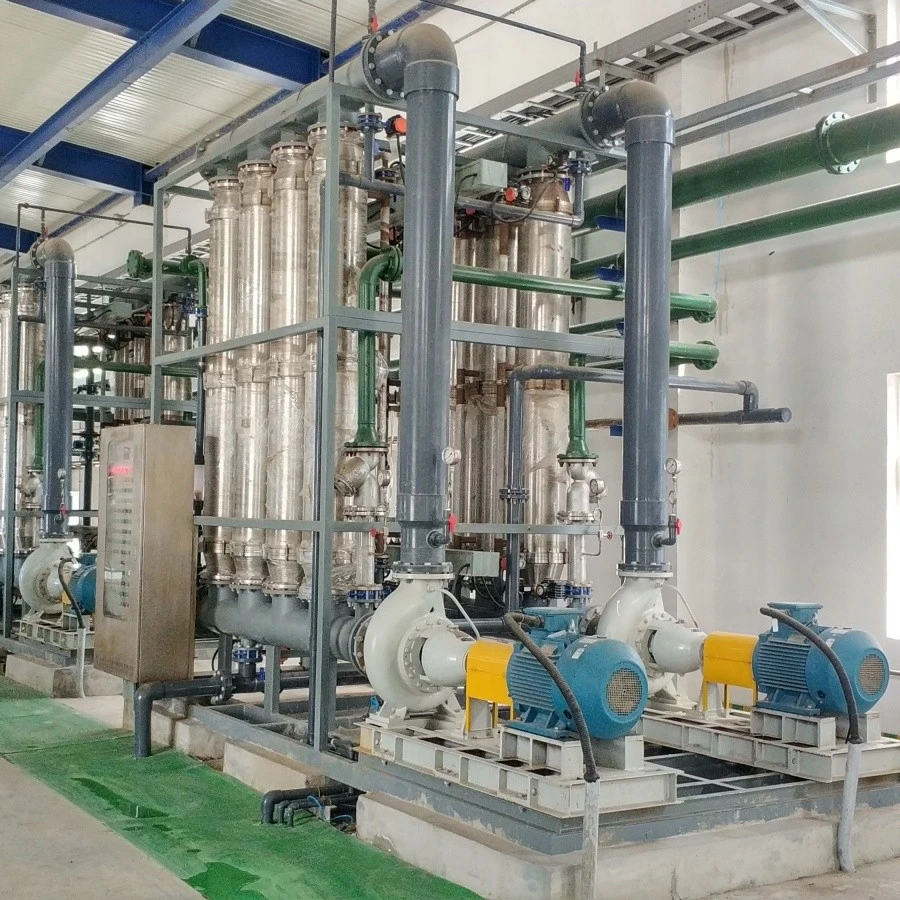
To meet the specific needs of the meat processing industry, we offer a range of Industrial Ultrafiltration Systems that are designed to provide high-performance, reliable, and cost-effective solutions for protein concentration, fat removal, clarification, purification, and fractionation.
Our industrial ultrafiltration systems are available in a variety of configurations, including tubular, spiral wound, and hollow fiber, to suit different applications and flow rates. They are also equipped with advanced control systems and monitoring devices to ensure optimal performance and efficiency.
In addition to our standard industrial ultrafiltration systems, we also offer custom-designed solutions that are tailored to the specific requirements of our customers. Our team of experienced engineers and technicians can work closely with you to understand your needs and develop a solution that meets your exact specifications.
Ceramic Membrane Filtration System for Meat Processing
For applications that require high-temperature resistance, chemical stability, and long-term durability, we offer a Ceramic Membrane Filtration System that is specifically designed for meat processing.
Our ceramic membrane filtration system utilizes advanced ceramic membranes that are made from high-quality materials such as alumina, zirconia, and titania. These membranes have excellent chemical and thermal stability, making them suitable for use in harsh operating conditions.
The ceramic membrane filtration system is also equipped with a unique backwashing mechanism that allows for easy and efficient cleaning of the membranes. This ensures that the system maintains its performance and efficiency over time, reducing the need for frequent membrane replacement.
Contact Us for Ultrafiltration Solutions in Meat Processing
If you are interested in learning more about how ultrafiltration can benefit your meat processing operations, or if you have any questions about our Ultrafiltration in Food Industry products and services, please contact us today. Our team of experts will be happy to discuss your needs and provide you with a customized solution that meets your exact requirements.
We look forward to working with you to enhance the quality, safety, and efficiency of your meat-based food products.
References
- Cheryan, M. (1998). Ultrafiltration and Microfiltration Handbook. Technomic Publishing Company, Inc.
- Mulder, M. H. V. (1996). Basic Principles of Membrane Technology. Kluwer Academic Publishers.
- Porter, M. C. (1997). Handbook of Industrial Membrane Technology. Noyes Publications.