

As a supplier of RO desalination units, I am often asked whether our units can be used for desalinating water with high levels of contaminants. This is a crucial question, especially in regions where water sources are severely polluted or where seawater with high impurity levels needs to be turned into potable water. In this blog, I will delve into the capabilities of RO desalination units in handling highly contaminated water, the challenges they face, and the solutions we offer.
How RO Desalination Works
Reverse osmosis (RO) is a water purification technology that uses a semi - permeable membrane to remove ions, molecules, and larger particles from water. The basic principle is to apply pressure to the water on one side of the membrane, forcing it through while leaving the contaminants behind. This process is highly effective in removing a wide range of substances, including salts, heavy metals, bacteria, and viruses.
The RO membrane is the heart of the desalination unit. It has extremely small pores that allow only water molecules to pass through while blocking most contaminants. For example, a typical RO membrane can reject over 99% of dissolved salts, making it a powerful tool for desalination.
Can RO Desalination Units Handle High - Contaminant Water?
The short answer is yes, but with some caveats. RO desalination units are designed to handle a variety of water qualities, including water with high levels of contaminants. However, the performance and lifespan of the unit can be significantly affected by the nature and concentration of the contaminants.
Salts and Minerals
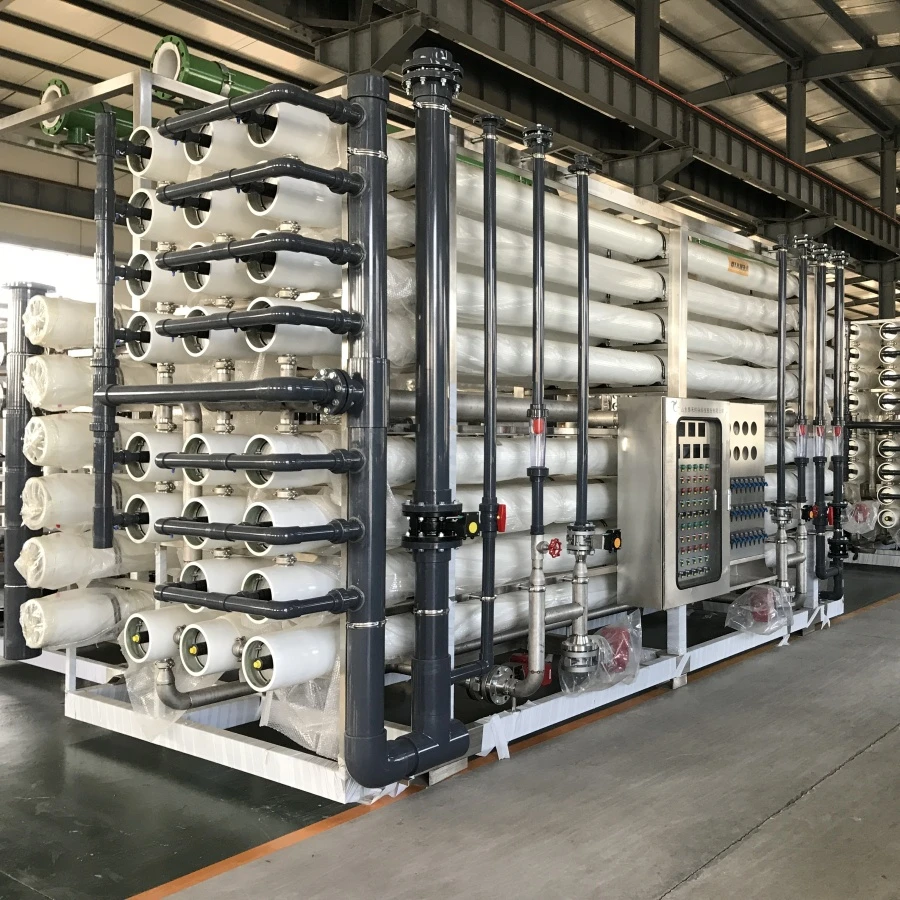
One of the most common types of contaminants in water is salts. Seawater, for instance, has a high salt content, typically around 3.5%. Our Seawater Reverse Osmosis Desalination System is specifically engineered to handle such high - salt water. The system uses high - pressure pumps to force the seawater through the RO membrane, effectively removing the salts and producing fresh water.
In addition to sodium chloride, water can also contain other minerals such as calcium, magnesium, and iron. These minerals can form scale on the RO membrane, reducing its efficiency and lifespan. To prevent this, our desalination units are equipped with pre - treatment systems that can remove or reduce the concentration of these minerals before they reach the RO membrane.
Organic Contaminants
Organic contaminants, such as oils, greases, and pesticides, can also pose a challenge to RO desalination units. These substances can foul the RO membrane, blocking the pores and reducing the flow of water. Our pre - treatment systems include activated carbon filters that can adsorb organic contaminants, protecting the RO membrane from fouling.
In some cases, where the water has a very high concentration of organic contaminants, additional treatment steps may be required, such as advanced oxidation processes or biological treatment.
Heavy Metals and Toxic Substances
Water contaminated with heavy metals like lead, mercury, and cadmium can be extremely dangerous. RO desalination units are very effective in removing these heavy metals. The semi - permeable membrane can block the passage of metal ions, ensuring that the treated water is safe for consumption.
For water with high levels of toxic substances, such as industrial wastewater, our Semiconductor Reverse Osmosis System can be customized to meet the specific requirements. This system uses advanced membrane materials and configurations to achieve high rejection rates for a wide range of toxic substances.
Microorganisms
Bacteria, viruses, and other microorganisms can also be present in highly contaminated water. RO membranes can effectively remove these microorganisms, providing a high level of microbial safety. However, to prevent the growth of biofilms on the membrane, our desalination units are equipped with disinfection systems, such as ultraviolet (UV) lamps or chemical disinfectants.
Challenges of Desalinating High - Contaminant Water
While RO desalination units can handle high - contaminant water, there are several challenges that need to be addressed.
Membrane Fouling
As mentioned earlier, membrane fouling is a major issue when dealing with high - contaminant water. Organic and inorganic contaminants can accumulate on the membrane surface, reducing its performance and increasing the energy consumption of the unit. Regular cleaning and maintenance of the membrane are essential to prevent fouling.
High Energy Consumption
Desalinating high - contaminant water often requires higher pressure to force the water through the membrane. This results in increased energy consumption, which can be a significant cost factor. Our company is constantly researching and developing new technologies to improve the energy efficiency of our desalination units.
Disposal of Concentrate
During the desalination process, a concentrate stream is produced that contains the removed contaminants. Disposing of this concentrate can be a challenge, especially in areas with strict environmental regulations. Our desalination units are designed to minimize the volume of the concentrate and to provide options for its safe and environmentally friendly disposal.
Solutions Offered by Our Company
We understand the challenges of desalinating high - contaminant water, and we have developed a range of solutions to address them.
Customized Pre - treatment Systems
Our pre - treatment systems are tailored to the specific water quality of each application. We use a combination of filtration, chemical treatment, and other processes to remove or reduce the concentration of contaminants before they reach the RO membrane. This helps to prevent membrane fouling and extend the lifespan of the membrane.
Advanced Membrane Technology
We are constantly investing in research and development to improve the performance of our RO membranes. Our membranes are made from high - quality materials that offer high rejection rates, low fouling potential, and long service life.
Energy - Efficient Design
To reduce the energy consumption of our desalination units, we use advanced pump technology and energy recovery devices. These technologies can significantly reduce the operating costs of the units, making them more economically viable for desalinating high - contaminant water.
Comprehensive After - Sales Service
We provide comprehensive after - sales service, including membrane cleaning, replacement, and system maintenance. Our team of experts is available to provide technical support and advice to ensure the optimal performance of our desalination units.
Applications of Our RO Desalination Units in High - Contaminant Water
Our RO desalination units have been successfully used in a variety of applications where high - contaminant water needs to be treated.
Seawater Desalination
In coastal areas where freshwater sources are limited, seawater desalination is an important solution. Our Seawater Reverse Osmosis Desalination System has been installed in many desalination plants around the world, providing a reliable source of fresh water.
Industrial Wastewater Treatment
Many industries generate wastewater with high levels of contaminants. Our RO desalination units can be used to treat this wastewater, allowing for water reuse and reducing the environmental impact of industrial activities. For example, our Semiconductor Reverse Osmosis System is widely used in the semiconductor industry for treating process wastewater.
Pharmaceutical Water Production
The pharmaceutical industry has strict requirements for the quality of water used in its production processes. Our Reverse Osmosis Pharmaceuticals system can produce high - purity water that meets the standards of the pharmaceutical industry.
Conclusion
In conclusion, RO desalination units can be used for desalinating water with high levels of contaminants. However, it is important to understand the challenges and to choose a desalination unit that is specifically designed to handle the particular contaminants in the water. Our company offers a range of high - quality RO desalination units that are customized to meet the specific needs of each application.
If you are interested in our RO desalination units for desalinating high - contaminant water, please feel free to contact us for more information and to discuss your specific requirements. We are committed to providing you with the best solutions for your water treatment needs.

References
- Greenlee, L. F., Lawler, D. F., Freeman, B. D., Marrot, B., & Moulin, P. (2009). Reverse osmosis desalination: Water sources, technology, and today's challenges. Water research, 43(9), 2317 - 2348.
- Schäfer, A. I., Fane, A. G., & Waite, T. D. (2002). Reverse osmosis membranes and processes. Elsevier.
- Wilf, M., & Klinko, M. (2005). Reverse osmosis pretreatment: Fundamentals, practical applications, and case studies. Elsevier.