

With the growing emphasis on the sustainable use of water resources in our country, reclaimed water, as a "second source of water," is increasingly becoming a part of our daily lives and industrial production. However, many people still have reservations about it. As a key environmental protection technology, the promotion and application of reclaimed water treatment depend on public understanding and support. Today, we will use a Q&A format to provide an in-depth analysis of several common questions about reclaimed water.

1. Are the commonly mentioned "zhongshui" and reclaimed water the same thing?
Yes, to a large extent, they can be understood as the same thing. The term "zhongshui" that people often hear is, in fact, a colloquial name for reclaimed water. Both terms refer to non-potable water derived from sources like domestic sewage and industrial wastewater that has been treated to meet specific national quality standards, allowing it to be reused within certain applications. In simple terms, it involves taking water we have already used, putting it through a series of purification processes to give it a "new life," and then using it again to serve our lives, for purposes such as urban landscaping, road cleaning, toilet flushing, and industrial cooling.
2. How is reclaimed water produced? Is its quality reliable?
The production process for reclaimed water is extremely rigorous and is far from simple sedimentation and filtration. It typically undergoes a complete set of complex and scientific treatment processes at a professional wastewater treatment plant. This process can be broadly divided into three main stages:
1. Primary Treatment (Pre-treatment): First, larger solid suspended particles and floating materials are removed from the wastewater using bar screens and grit chambers. This is the most basic physical separation stage.
2. Secondary Treatment (Biological Treatment): Next, the metabolic activities of microorganisms are utilized to degrade organic pollutants in the water. This is the core stage of the treatment process and significantly removes a large portion of the pollutants.
3. Tertiary Treatment (Advanced Treatment): To achieve higher quality standards for reuse, advanced treatment is required. This stage employs a series of advanced technologies to remove nutrients, trace pollutants, and pathogens that were not completely eliminated in the primary and secondary stages. For example, high-efficiency ultrafiltration systems water treatment can act like a fine sieve, effectively intercepting tiny particles, bacteria, and viruses in the water. In applications with extremely high water quality requirements, the more stable and precise ceramic membrane filtration system can provide an even higher level of safety assurance. It is this combination of advanced ultrafiltration equipment and processes that forms the core technological foundation ensuring the quality, safety, and reliability of reclaimed water.

3. What is the difference between reclaimed water and the tap water we drink? Can it be consumed directly?
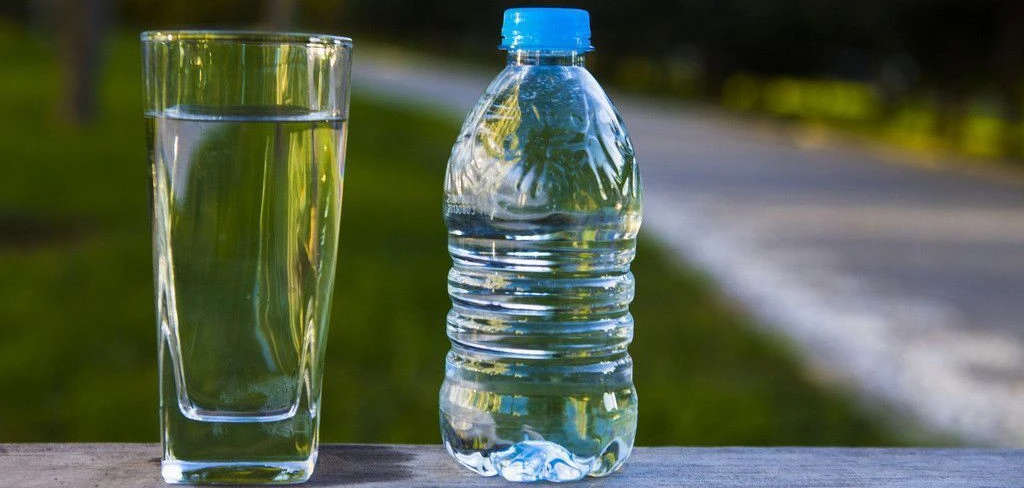
This is the question of greatest concern to most people. The answer is: reclaimed water is not for direct consumption. Although reclaimed water undergoes advanced treatment, its quality standards differ from those for potable tap water. The goal of a waterworks is to produce water that complies with national drinking water health standards, whereas the goal of reclaimed water treatment is to meet the quality requirements for specific non-potable uses (such as irrigation and industrial water). Therefore, reclaimed water may still contain certain amounts of salts and nutrients like nitrogen and phosphorus. While these substances are not acutely toxic to humans, they do not meet the stringent standards for drinking water.
4. Is it safe for plants and soil to use reclaimed water for irrigation of green spaces?
For the vast majority of landscape plants and turf, irrigation with reclaimed water that meets the required standards is completely safe and may even offer additional benefits. This is because the nitrogen and phosphorus contained in reclaimed water can serve as a "liquid fertilizer" for plant growth, potentially reducing the amount of chemical fertilizer needed.

Of course, it should be noted that some reclaimed water may have a slightly higher salt content, which could affect certain salt-sensitive plants (such as some varieties of azaleas). Therefore, before large-scale application in a specific area, it is important to understand the water quality components of the reclaimed water and implement scientific irrigation practices based on the characteristics of the plants.
5. Why should we vigorously develop and utilize reclaimed water?
The core benefit of using reclaimed water is that it significantly alleviates the increasing pressure on our country's freshwater resources. Every cubic meter of reclaimed water used means one cubic meter of precious tap water or groundwater is conserved. This not only effectively expands our water supply, ensuring the sustainability of urban development and residential water use, but can also be used to recharge groundwater after treatment, improving the regional hydrological environment. Promoting the use of reclaimed water is a crucial pathway to building a resource-saving and environmentally friendly society and achieving a circular economy for urban water resources.
6. Are the water quality requirements for reclaimed water the same for different applications?
The quality requirements for reclaimed water vary depending on its intended end use. For example, for non-potable uses like urban landscaping, road cleaning, and industrial cooling, the quality standards are relatively less stringent, but they must still meet specific reuse criteria. However, for high-precision industrial processes or other special applications, more rigorous treatment processes and stricter quality control may be necessary. Therefore, the treatment and reuse of reclaimed water need to be custom-designed based on the specific application.
7. Does the reclaimed water treatment process generate secondary pollution?
While the primary goal of reclaimed water treatment is to remove pollutants, the process itself can sometimes generate by-products or secondary pollution. For example, certain chemical treatment processes might introduce trace amounts of chemicals, or issues like membrane fouling could occur during membrane filtration. Therefore, it is essential to strictly control process parameters to ensure the treated water is stable and safe, avoid secondary pollution.
In conclusion, reclaimed water is not "wastewater" to be shunned, but a valuable resource that has been rigorously treated and can be safely reused. Its widespread application relies on the support of advanced and reliable reclaimed water treatment technology, and it also requires a scientific and rational understanding from each of us.