

When it comes to evaluating an ultrafiltration system supplier, there are numerous factors that need to be taken into account. As a supplier of ultrafiltration systems myself, I understand the complexities and requirements that customers have when choosing the right partner for their ultrafiltration needs. In this blog post, I will share some key considerations that should be at the forefront of your mind when evaluating an ultrafiltration system supplier.
1. Product Quality and Performance
The quality and performance of the ultrafiltration system are paramount. A high - quality system will not only provide efficient filtration but also have a longer lifespan, reducing the need for frequent replacements. Look for suppliers who use high - grade materials in the construction of their systems. For example, membranes are a critical component of ultrafiltration systems. High - quality membranes should have a uniform pore size distribution, which ensures consistent filtration performance.
The supplier should be able to provide detailed performance data of their systems, such as the filtration efficiency, flux rate, and rejection rate. Filtration efficiency indicates how well the system can remove contaminants from the feed solution. A high - efficiency system can significantly improve the quality of the filtered product. The flux rate, on the other hand, measures the volume of permeate produced per unit area of the membrane per unit time. A higher flux rate means faster filtration and increased productivity. The rejection rate shows the percentage of contaminants that are retained by the membrane.
When evaluating product quality, it is also important to consider the system's ability to operate under different conditions. Some ultrafiltration systems may perform well under specific temperature, pressure, and pH ranges. A reliable supplier should be able to provide systems that can adapt to a wide range of operating conditions, ensuring flexibility and versatility in various applications. For more information on the application of ultrafiltration in different industries, you can visit Ultrafiltration in Food Industry.
2. Technical Expertise and Support
Technical expertise is another crucial factor. A supplier with a team of experienced engineers and technicians can offer valuable insights and solutions. They should be able to understand your specific requirements and design a customized ultrafiltration system accordingly. Whether you need a system for industrial wastewater treatment, food and beverage processing, or drinking water purification, the supplier should have the knowledge and skills to develop a system that meets your exact needs.
Good technical support is also essential. In case of any issues with the system, such as membrane fouling or mechanical failures, the supplier should be able to provide prompt assistance. This includes on - site troubleshooting, maintenance services, and replacement of parts. A supplier with a strong technical support team can minimize downtime and ensure the continuous operation of your ultrafiltration system.

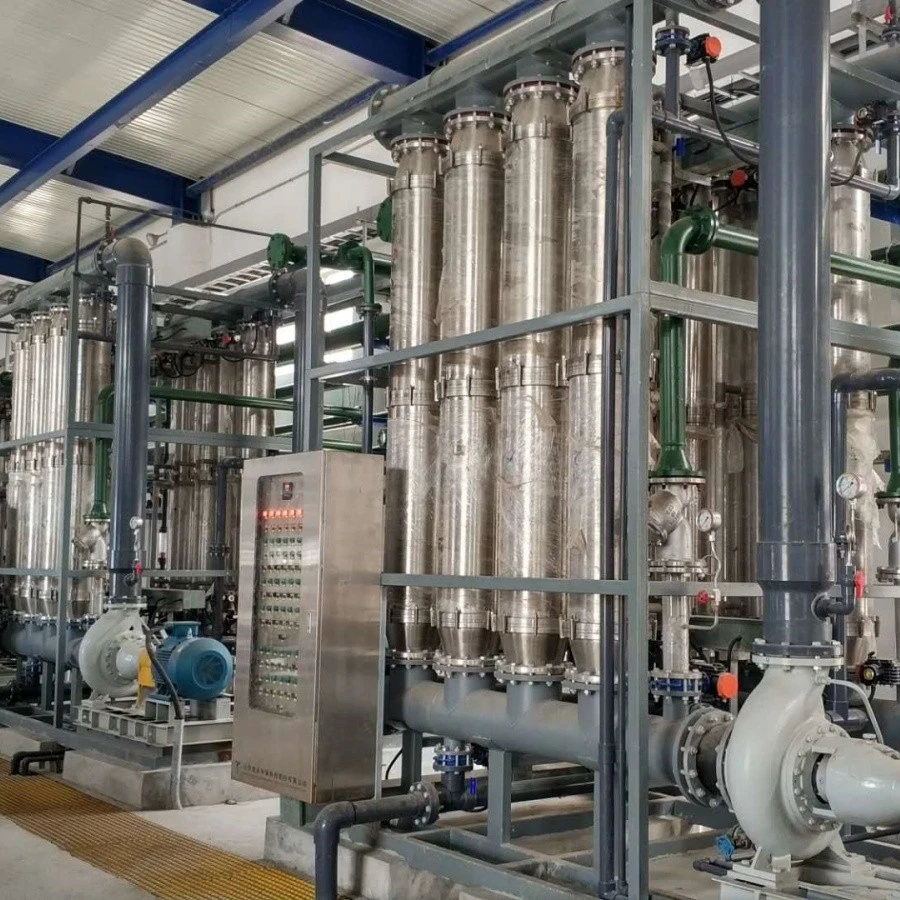
Moreover, the supplier should stay updated with the latest technological advancements in the field of ultrafiltration. They should be able to offer innovative solutions that can improve the performance and efficiency of your system. For example, new membrane materials and module designs can enhance filtration performance and reduce energy consumption. By partnering with a technically - savvy supplier, you can benefit from these advancements and stay competitive in your industry. You can explore more about industrial - grade ultrafiltration systems at Industrial Ultrafiltration Systems.
3. Customization Capabilities
Every customer has unique requirements when it comes to ultrafiltration systems. A one - size - fits - all approach may not be suitable for all applications. Therefore, it is important to choose a supplier who can offer customization options. The supplier should be able to design and manufacture ultrafiltration systems based on your specific flow rate, filtration requirements, and space constraints.
For example, if you have limited floor space, the supplier can design a compact system that can fit into your facility. If you need a system with a high - capacity filtration, they can scale up the system accordingly. Customization also includes the selection of appropriate membranes, pumps, and control systems. The supplier should be able to recommend the best components based on your feed solution characteristics and filtration goals.
Customized ultrafiltration systems can provide better performance and cost - effectiveness. By tailoring the system to your specific needs, you can avoid over - or under - sizing, which can lead to unnecessary costs or sub - optimal performance.
4. Regulatory Compliance
In many industries, ultrafiltration systems need to comply with various regulations and standards. For example, in the food and beverage industry, systems must meet strict hygiene and safety standards. In the water treatment industry, they need to comply with environmental regulations regarding the quality of the treated water.
A reliable supplier should be well - versed in these regulations and ensure that their systems meet all the necessary requirements. They should be able to provide documentation and certifications to prove the compliance of their products. This not only ensures the legality of your operations but also gives you peace of mind knowing that your ultrafiltration system is safe and reliable.
5. Cost - Effectiveness
Cost is always a significant consideration when evaluating an ultrafiltration system supplier. However, it is important to look beyond the initial purchase price. The total cost of ownership includes not only the purchase price but also the operating costs, maintenance costs, and replacement costs over the system's lifespan.
A supplier who offers a high - quality system at a reasonable price may seem more expensive initially but can save you money in the long run. For example, a system with a higher energy efficiency can reduce your electricity bills. A system that requires less frequent maintenance and replacement of parts can also lower your overall costs.
When comparing costs, make sure to get detailed quotes from different suppliers. The quotes should include all the costs associated with the system, such as installation, training, and after - sales support. By considering the total cost of ownership, you can make a more informed decision and choose a supplier that offers the best value for your money.
6. Reputation and References
The reputation of the supplier is a good indicator of their reliability and quality of service. You can research the supplier's reputation by reading online reviews, industry reports, and customer testimonials. A supplier with a positive reputation is more likely to provide high - quality products and excellent customer service.
Ask the supplier for references from their existing customers. Contact these customers to get first - hand information about their experience with the supplier. You can ask about the system's performance, the supplier's technical support, and their overall satisfaction with the product. References can give you valuable insights into the supplier's capabilities and help you make a more informed decision.
7. After - Sales Service
After - sales service is an important aspect of the supplier - customer relationship. A good supplier should offer comprehensive after - sales service, including system installation, training, and maintenance. The installation process should be carried out by experienced technicians to ensure that the system is installed correctly and operates smoothly.
Training is also crucial to ensure that your staff can operate and maintain the ultrafiltration system properly. The supplier should provide training programs that cover system operation, troubleshooting, and maintenance procedures. This will help your staff to maximize the performance of the system and minimize the risk of breakdowns.
Regular maintenance is essential to keep the ultrafiltration system in good working condition. The supplier should offer maintenance contracts and provide timely replacement of parts when needed. By having a reliable after - sales service, you can ensure the long - term performance and reliability of your ultrafiltration system. For more information on ultrafiltration systems for drinking water, visit Ultrafiltration Drinking Water System.
Conclusion
Evaluating an ultrafiltration system supplier requires a comprehensive assessment of multiple factors. Product quality and performance, technical expertise, customization capabilities, regulatory compliance, cost - effectiveness, reputation, and after - sales service are all important considerations. By carefully evaluating these factors, you can choose a supplier that can provide you with a high - quality, reliable, and cost - effective ultrafiltration system that meets your specific needs.
If you are in the process of looking for an ultrafiltration system supplier, I encourage you to reach out to us. We have a team of experts who can assist you in choosing the right system for your application. Contact us to start a discussion about your ultrafiltration requirements and explore how we can be your ideal partner.
References
- Cheryan, M. (1998). Ultrafiltration and Microfiltration Handbook. Technomic Publishing.
- Mulder, M. (1996). Basic Principles of Membrane Technology. Kluwer Academic Publishers.
- Baker, R. W. (2004). Membrane Technology and Applications. John Wiley & Sons.