

As a seasoned provider in the reclaimed water treatment industry, I've witnessed firsthand the growing importance of efficient and sustainable water management solutions. Two prominent approaches in this field are on - site and centralized reclaimed water treatment. Each method has its unique characteristics, advantages, and limitations. In this blog, I'll delve into the differences between these two treatment models to help you make an informed decision for your specific needs.
1. Infrastructure and Setup
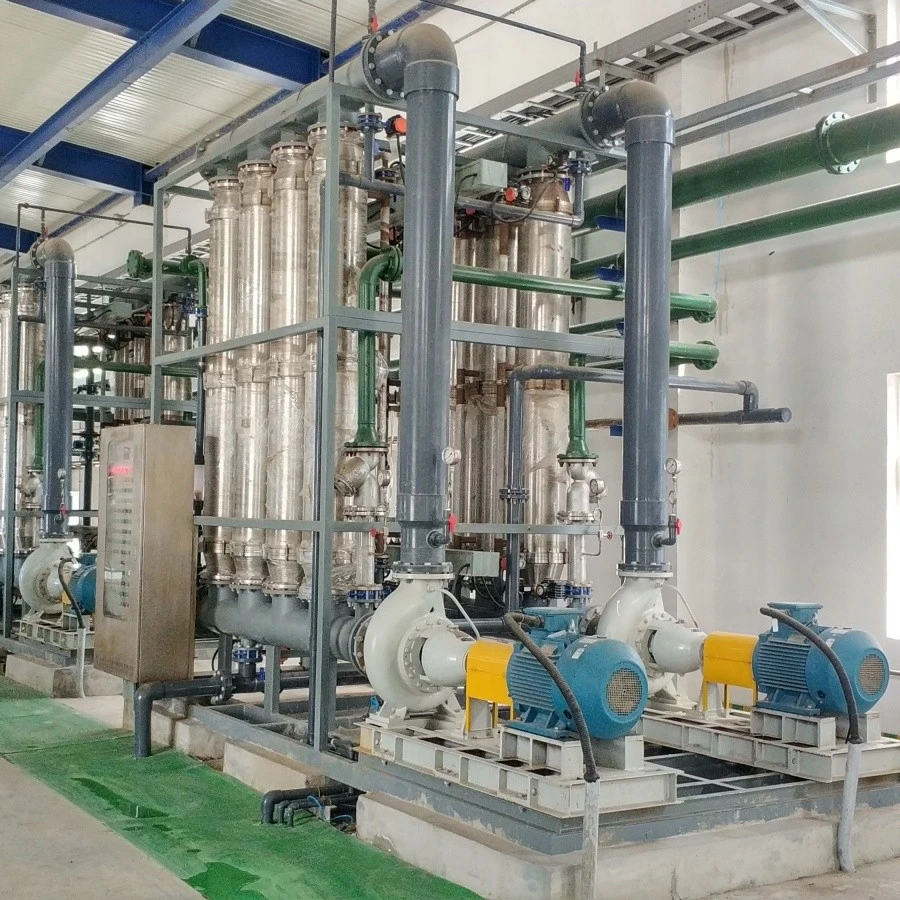
On - site reclaimed water treatment systems are designed to be installed directly at the location where the water is being used or generated. This could be a commercial building, an industrial facility, or a residential complex. The setup is relatively modular and can be customized according to the specific water volume and quality requirements of the site. For example, a small - scale industrial facility might opt for a compact on - site system that can handle its daily wastewater output.
On the other hand, centralized reclaimed water treatment plants are large - scale facilities that serve a wide area, such as a city or a large industrial park. These plants require significant infrastructure investment, including large - diameter pipes for water conveyance, extensive treatment units, and sophisticated control systems. The construction of a centralized plant often involves long - term planning and substantial capital expenditure.
2. Treatment Capacity
On - site systems are typically designed for smaller treatment capacities. They are suitable for locations with limited water usage or where the demand for reclaimed water is relatively low. For instance, a single - family home or a small office building can benefit from an on - site system that can treat a few cubic meters of wastewater per day. These systems are often based on simple yet effective technologies, such as membrane filtration or biological treatment processes.
Centralized treatment plants, in contrast, have much larger treatment capacities. They can handle thousands or even millions of cubic meters of wastewater per day. This makes them ideal for serving large populations or industries with high water consumption. The large - scale nature of these plants allows for economies of scale, which can result in lower treatment costs per unit volume of water.
3. Water Quality Requirements
The water quality requirements for on - site and centralized reclaimed water treatment can vary significantly. On - site systems are usually tailored to meet the specific needs of the site. For example, in a food processing plant, the reclaimed water may need to meet strict quality standards for reuse in food production processes. Ultrafiltration in Food Industry technologies can be employed in on - site systems to ensure the removal of contaminants and microorganisms, providing high - quality water for sensitive applications.
Centralized treatment plants, however, aim to produce reclaimed water that meets general standards for a wide range of uses, such as irrigation, industrial cooling, or toilet flushing. While the water quality from centralized plants is still carefully monitored and treated, the standards may not be as stringent as those for on - site systems used in specialized industries.
4. Flexibility and Adaptability
One of the key advantages of on - site reclaimed water treatment is its flexibility. These systems can be easily adjusted or expanded to accommodate changes in water demand or quality. For example, if a business expands its operations and generates more wastewater, the on - site system can be upgraded with additional treatment units, such as Industrial Ultrafiltration Systems. This adaptability makes on - site systems a great choice for facilities with dynamic water usage patterns.
Centralized treatment plants, on the other hand, are less flexible. Once built, it can be challenging and costly to modify the plant's capacity or treatment processes. Any significant changes to the plant's infrastructure may require extensive planning, regulatory approvals, and large - scale construction work.
5. Cost Considerations
The cost of on - site and centralized reclaimed water treatment varies in several aspects. The initial investment for an on - site system is generally lower compared to a centralized plant. This is because on - site systems are smaller in scale and require less infrastructure development. However, the long - term operating costs of on - site systems can be relatively high, especially for systems that rely on energy - intensive treatment processes.
Centralized treatment plants have high initial capital costs due to the large - scale infrastructure required. However, they often benefit from economies of scale, which can result in lower operating costs per unit volume of water. Additionally, the cost of transporting wastewater to a centralized plant needs to be considered, which can be significant for distant sites.
6. Environmental Impact
On - site reclaimed water treatment can have a lower environmental impact in some cases. By treating water at the source, there is less need for long - distance water conveyance, which reduces energy consumption and greenhouse gas emissions associated with pumping. Moreover, on - site systems can be designed to use renewable energy sources, such as solar or wind power, further reducing their carbon footprint.
Centralized treatment plants, while having the advantage of large - scale treatment, may have a higher environmental impact due to the energy requirements for operating large - scale equipment and transporting water over long distances. However, these plants can also implement advanced treatment technologies, such as Ceramic Membrane Filtration System, which can improve treatment efficiency and reduce the environmental impact of the treatment process.
7. Maintenance and Monitoring
On - site reclaimed water treatment systems require regular maintenance and monitoring to ensure their proper operation. This often involves on - site staff or contracted service providers who are responsible for checking equipment, replacing filters, and analyzing water quality. The maintenance requirements can be relatively high, especially for complex on - site systems.
Centralized treatment plants also require strict maintenance and monitoring, but they often have dedicated teams of professionals who are trained to operate and maintain large - scale treatment facilities. These teams can use advanced monitoring systems to continuously assess the performance of the plant and make timely adjustments to ensure optimal treatment efficiency.

Conclusion
In conclusion, both on - site and centralized reclaimed water treatment have their own unique features and advantages. On - site systems offer flexibility, customization, and potentially lower environmental impact, making them suitable for small - scale applications or sites with specific water quality requirements. Centralized treatment plants, on the other hand, provide large - scale treatment capacity, economies of scale, and professional operation and maintenance, which are ideal for serving large populations or industries.
As a reclaimed water treatment supplier, I understand that choosing the right treatment approach is crucial for your business or community. Whether you need a customized on - site system or a large - scale centralized plant, I'm here to help you find the most suitable solution. If you're interested in learning more about our reclaimed water treatment products and services, or if you'd like to discuss your specific needs, please feel free to reach out for a consultation. Let's work together to achieve sustainable water management and a greener future.
References
- Smith, J. (2020). Water Reclamation and Reuse: Technologies and Applications. Elsevier.
- Jones, A. (2019). On - site vs. Centralized Wastewater Treatment: A Comparative Analysis. Journal of Environmental Science and Technology, 35(2), 123 - 135.
- Brown, C. (2018). The Environmental Impact of Reclaimed Water Treatment Systems. Water Resources Research, 44(3), 201 - 215.