

Hey there! As a supplier of Boiler makeup water systems, I've been in the thick of it when it comes to figuring out the best control strategies for these systems. In this blog, I'm gonna share some insights on what those control strategies are and why they matter.
First off, let's understand what a boiler makeup water system does. It's responsible for replenishing the water that's lost from the boiler due to steam generation, blowdown, and other processes. Without proper makeup water, the boiler's efficiency can drop, and it can even face some serious damage over time.
Water Quality Control
One of the most crucial aspects of controlling a boiler makeup water system is ensuring the quality of the water. Poor - quality water can lead to scale formation, corrosion, and other issues in the boiler.
We've got different types of water sources, and each requires a different approach. For instance, if you're using surface water, it's likely to have a high content of suspended solids, organic matter, and microorganisms. To deal with this, we often use filtration systems. These can range from simple sand filters to more advanced multimedia filters that can remove a wider range of particles.
Another common source is groundwater. Groundwater might have high levels of minerals like calcium and magnesium, which can cause scale formation in the boiler. That's where water softening comes in. Ion - exchange softeners are a popular choice. They work by replacing the calcium and magnesium ions with sodium ions, reducing the water's hardness.
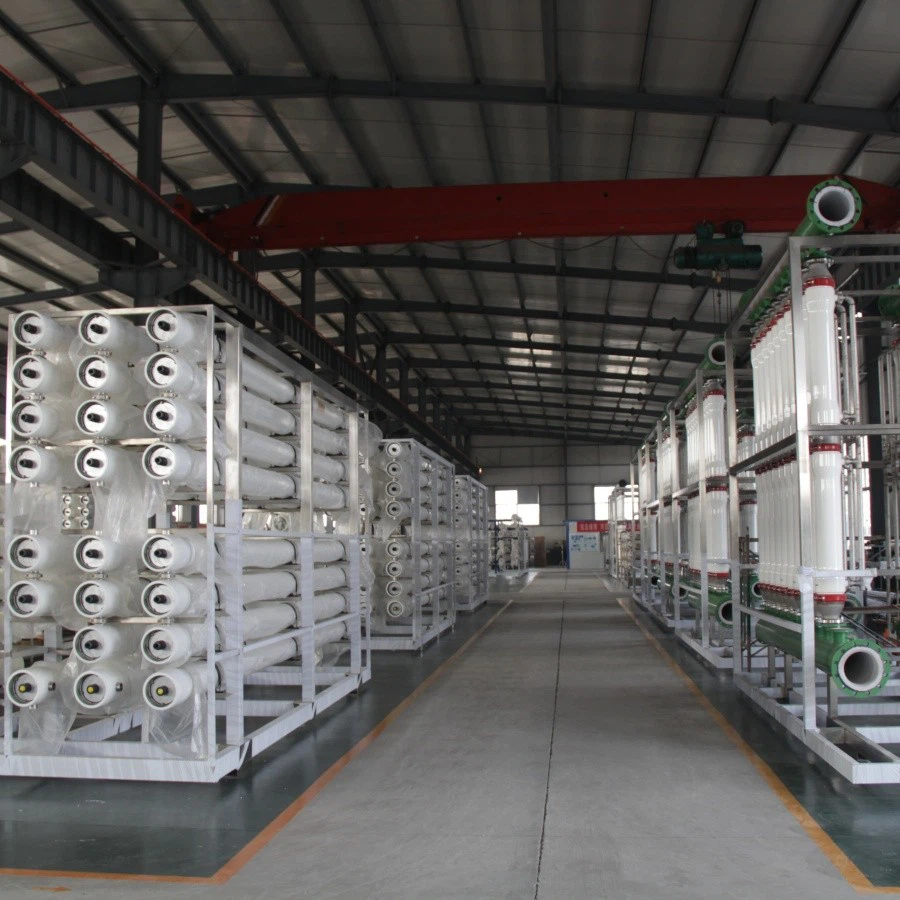
But what if you're in an area where seawater is the only option? Well, that's where Seawater Reverse Osmosis System comes into play. Reverse osmosis (RO) is a process that uses a semi - permeable membrane to remove salts and other impurities from the water. It's a highly effective way to desalinate seawater and make it suitable for boiler makeup. Similarly, Desalination RO System can be used for other brackish water sources. And for municipal water supplies, Municipal Reverse Osmosis System can help further purify the water to meet the boiler's requirements.
Flow Control
Flow control is another key strategy. The makeup water flow needs to be carefully regulated to ensure that the boiler has the right amount of water at all times. If the flow is too low, the boiler might run dry, which can cause overheating and damage to the boiler tubes. On the other hand, if the flow is too high, it can lead to water carryover in the steam, which can cause problems in the steam - using equipment.
We use flow meters to measure the flow rate of the makeup water. These can be mechanical flow meters, which use a rotating element to measure the flow, or more advanced electronic flow meters that use ultrasonic or electromagnetic principles. Based on the readings from the flow meters, control valves can be adjusted to regulate the flow.
There are different types of control valves, such as globe valves and butterfly valves. Globe valves offer more precise control but can be more expensive. Butterfly valves are more cost - effective and are suitable for applications where a less precise control is acceptable.
Pressure Control
Pressure control is also essential in a boiler makeup water system. The water needs to be supplied to the boiler at the right pressure. If the pressure is too low, the water might not be able to enter the boiler properly. If the pressure is too high, it can cause damage to the boiler components and the piping system.
We use pressure sensors to monitor the pressure in the makeup water system. These sensors send signals to a control system, which can then adjust the pumps or valves to maintain the desired pressure. For example, if the pressure drops below the setpoint, the control system can increase the pump speed to boost the pressure.
Chemical Control
Chemicals play a vital role in maintaining the health of the boiler makeup water system. We use different types of chemicals for different purposes.
One of the most common chemicals is oxygen scavengers. Oxygen in the water can cause corrosion in the boiler. Oxygen scavengers react with the dissolved oxygen in the water, removing it and preventing corrosion.
Another important type of chemical is scale inhibitors. These chemicals prevent the formation of scale by interfering with the crystallization process of the minerals in the water. They keep the minerals in a dissolved state, reducing the likelihood of scale formation on the boiler surfaces.
pH adjusters are also used. The pH of the makeup water needs to be within a certain range to prevent corrosion and scale formation. If the water is too acidic, it can cause corrosion. If it's too alkaline, it can lead to scale formation. pH adjusters can be used to bring the pH of the water to the optimal level.
Monitoring and Automation
In today's world, monitoring and automation are becoming increasingly important in boiler makeup water systems. We can use advanced sensors and control systems to continuously monitor the water quality, flow, pressure, and chemical levels.
These monitoring systems can provide real - time data, which can be accessed remotely. This allows operators to keep an eye on the system even when they're not on - site. If any parameter goes out of the normal range, the system can send alerts to the operators, who can then take appropriate action.
Automation also plays a big role. Automated control systems can adjust the flow, pressure, and chemical dosing based on the real - time data. This not only improves the efficiency of the system but also reduces the risk of human error.
Why These Control Strategies Matter
Implementing these control strategies is crucial for several reasons. Firstly, it improves the efficiency of the boiler. By ensuring that the boiler has the right quality and quantity of water, it can operate at its optimal performance level, reducing energy consumption and saving costs.
Secondly, it extends the lifespan of the boiler. Scale formation and corrosion can cause significant damage to the boiler components over time. By controlling the water quality and using appropriate chemicals, we can prevent these issues and keep the boiler in good condition for longer.

Finally, it ensures the safety of the system. A properly controlled boiler makeup water system reduces the risk of boiler failures, which can be dangerous and costly.
Let's Talk
If you're in the market for a Boiler makeup water system or need help with improving the control strategies of your existing system, I'd love to have a chat. Whether it's choosing the right water treatment equipment, setting up the control systems, or optimizing the chemical dosing, I've got the expertise to help you out. Reach out to us, and let's work together to ensure that your boiler runs smoothly and efficiently.
References
- "Boiler Water Treatment Handbook" by John Doe
- "Water Quality and Treatment: A Handbook of Community Water Supplies" by Jane Smith
- Various industry whitepapers on boiler makeup water systems