

Ultrafiltration systems are vital components in various industries, offering efficient separation and purification solutions. As a leading supplier of ultrafiltration systems, I understand the importance of proper maintenance to ensure these systems operate at peak performance. In this blog, I will share comprehensive insights on how to maintain an ultrafiltration system effectively.
Regular Inspection and Monitoring
The first step in maintaining an ultrafiltration system is to conduct regular inspections. This involves checking all the physical components of the system, such as the membranes, pumps, valves, and pipes. Look for any signs of wear and tear, leaks, or damage. For instance, damaged membranes can lead to reduced filtration efficiency and increased energy consumption.
Monitoring the system's operating parameters is equally crucial. Keep a close eye on factors like pressure, flow rate, and temperature. Deviations from the normal operating range can indicate potential issues. For example, a sudden drop in flow rate may suggest membrane fouling, while an increase in pressure could be a sign of a blockage in the system. By regularly monitoring these parameters, you can detect problems early and take corrective action before they escalate.
Membrane Maintenance
The membranes are the heart of an ultrafiltration system, and their proper maintenance is essential for optimal performance. One of the most common issues with membranes is fouling, which occurs when particles, microorganisms, or other contaminants accumulate on the membrane surface. This can reduce the membrane's permeability and filtration efficiency.
To prevent fouling, it is important to implement a regular cleaning schedule. This can involve physical cleaning methods, such as backwashing or flushing, as well as chemical cleaning. Backwashing involves reversing the flow of water through the membrane to dislodge any accumulated particles. Flushing, on the other hand, involves passing a cleaning solution through the membrane to remove more stubborn contaminants.
Chemical cleaning should be carried out using appropriate cleaning agents that are compatible with the membrane material. It is important to follow the manufacturer's instructions carefully when using chemical cleaners to avoid damaging the membrane. Additionally, it is recommended to conduct periodic membrane integrity tests to ensure that the membranes are functioning properly.
Pump and Valve Maintenance
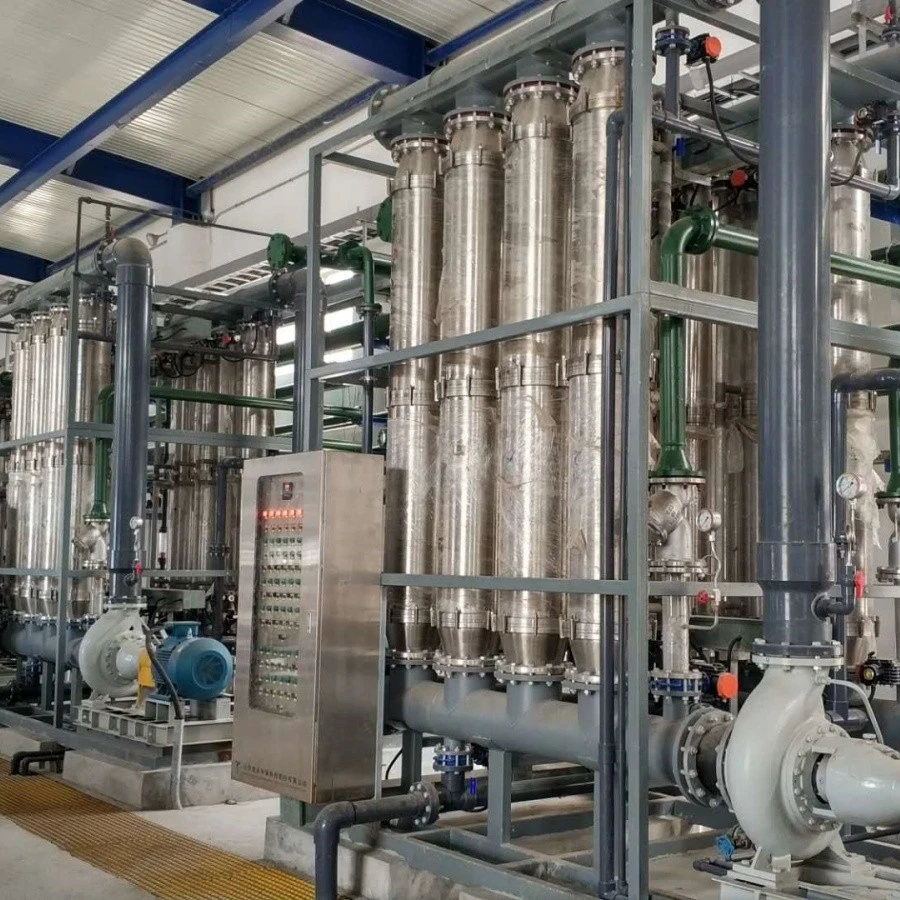
Pumps and valves play a crucial role in the operation of an ultrafiltration system. Pumps are responsible for circulating the fluid through the system, while valves control the flow and pressure. Regular maintenance of these components is essential to ensure their proper functioning.
For pumps, it is important to check the lubrication levels regularly and replace any worn or damaged parts. This can help prevent pump failure and ensure efficient operation. Additionally, it is recommended to monitor the pump's performance, such as its flow rate and pressure, to detect any potential issues early.
Valves should also be inspected regularly for leaks, corrosion, and proper operation. Any faulty valves should be repaired or replaced immediately to prevent system malfunctions. It is also important to ensure that the valves are properly calibrated to maintain the correct flow and pressure in the system.

Pipe and Fitting Maintenance
The pipes and fittings in an ultrafiltration system are responsible for transporting the fluid from one component to another. Over time, these components can become clogged, corroded, or damaged, which can affect the system's performance.
Regular inspection of the pipes and fittings is essential to detect any signs of damage or blockage. This can involve visually inspecting the pipes for leaks, corrosion, or cracks, as well as checking the fittings for tightness. Any damaged or worn pipes or fittings should be replaced immediately to prevent system failures.
It is also important to keep the pipes and fittings clean to prevent the accumulation of contaminants. This can involve flushing the pipes regularly with clean water or using a cleaning solution to remove any stubborn deposits.
Training and Documentation
Proper training of the system operators is essential for the effective maintenance of an ultrafiltration system. Operators should be trained on the system's operation, maintenance procedures, and safety protocols. This can help ensure that the system is operated correctly and that any potential issues are detected and addressed promptly.
Documentation is also an important aspect of maintenance. Keeping detailed records of the system's maintenance history, including inspection reports, cleaning schedules, and component replacements, can help track the system's performance over time and identify any recurring issues. This information can also be useful for troubleshooting and for ensuring compliance with regulatory requirements.
Conclusion
Maintaining an ultrafiltration system is a complex but essential task that requires regular inspection, monitoring, and maintenance of all the system's components. By following the tips outlined in this blog, you can ensure that your ultrafiltration system operates at peak performance, providing efficient and reliable separation and purification solutions.
If you are interested in learning more about our Ceramic Membrane Filtration System, Ultrafiltration in Food Industry, or Industrial Ultrafiltration Systems, or if you have any questions about ultrafiltration system maintenance, please feel free to contact us. We are always happy to assist you with your ultrafiltration needs.
References
- "Ultrafiltration Membrane Technology" by Mohammad A. Hashim
- "Handbook of Membrane Separations: Chemical, Pharmaceutical, Food, and Biotechnological Applications" by Attilio Conidi