

Conducting a cost - effectiveness analysis for a municipal reverse osmosis (RO) system is a crucial step for municipalities looking to provide clean and safe water to their residents. As a supplier of municipal reverse osmosis systems, I understand the importance of this analysis in making informed decisions. In this blog post, I will guide you through the process of conducting a cost - effectiveness analysis for a municipal RO system.
Understanding the Basics of a Municipal Reverse Osmosis System
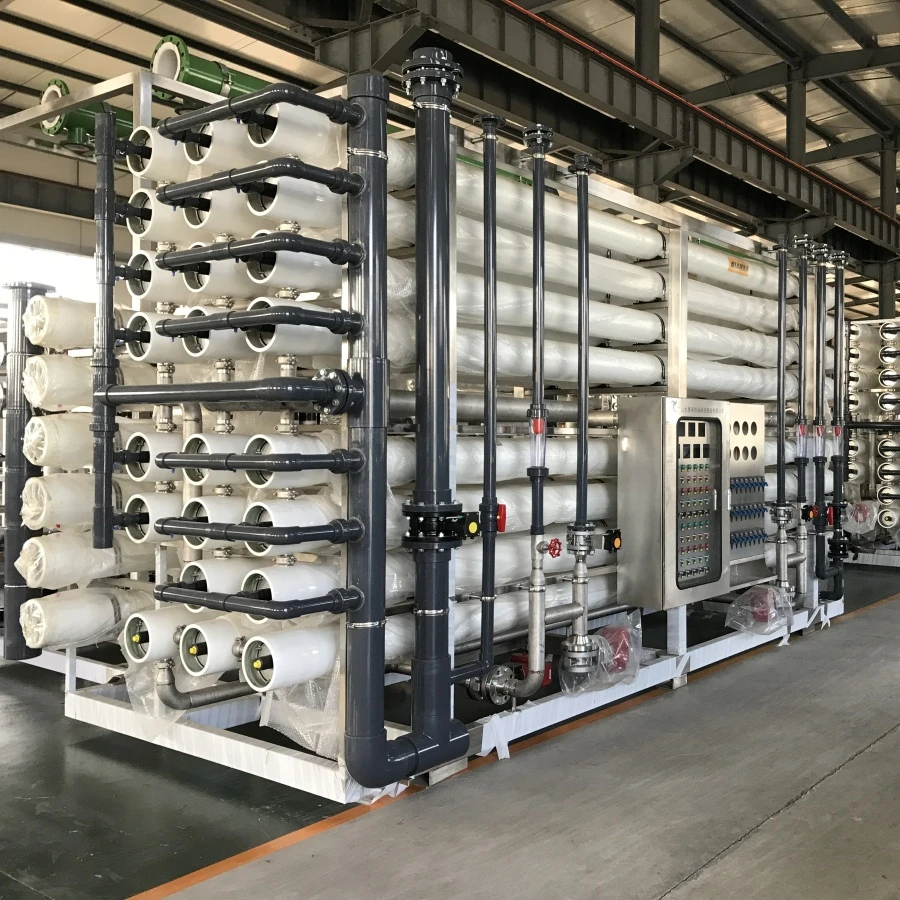
A municipal reverse osmosis system is designed to remove contaminants from water sources, such as bacteria, viruses, salts, and heavy metals. It works by forcing water through a semi - permeable membrane, which allows water molecules to pass through while blocking contaminants. This technology is widely used in municipalities around the world to ensure the quality of drinking water.
Step 1: Define the Objectives
The first step in conducting a cost - effectiveness analysis is to clearly define the objectives of the municipal RO system. This includes determining the desired water quality standards, the volume of water to be treated, and the expected lifespan of the system. For example, if the municipality has a high level of salt in its water source, the objective might be to reduce the salt concentration to a certain level. If the population is growing, the system should be designed to handle an increasing volume of water over time.
Step 2: Identify the Costs
There are several types of costs associated with a municipal RO system. These can be divided into capital costs and operating costs.
Capital Costs
- Equipment Purchase: This includes the cost of the RO membranes, pumps, pressure vessels, and other components of the system. The price can vary depending on the size and capacity of the system. For a large - scale municipal system, the equipment cost can be significant.
- Installation: Installation costs involve labor, site preparation, and the connection of the system to the existing water infrastructure. This may also include the cost of building a dedicated treatment facility if one does not already exist.
- Permitting and Design: Obtaining the necessary permits from local authorities and hiring a professional engineer to design the system are also part of the capital costs.
Operating Costs
- Energy Consumption: RO systems require a significant amount of energy to operate the pumps that force water through the membranes. The energy cost can be a major part of the operating expenses, especially for large - scale systems.
- Membrane Replacement: RO membranes have a limited lifespan and need to be replaced periodically. The frequency of replacement depends on factors such as water quality and operating conditions.
- Chemical Usage: Chemicals are used for pre - treatment and post - treatment of the water to prevent fouling of the membranes and to ensure the quality of the treated water. The cost of these chemicals should be considered.
- Labor: Skilled operators are needed to monitor and maintain the system. Labor costs include salaries, training, and benefits.
Step 3: Evaluate the Benefits
The benefits of a municipal RO system can be both tangible and intangible.
Tangible Benefits
- Improved Water Quality: By removing contaminants, the RO system provides clean and safe drinking water to the residents. This can reduce the incidence of water - borne diseases, which in turn can lead to lower healthcare costs for the municipality.
- Increased Water Supply: In areas where water sources are limited or of poor quality, an RO system can expand the available water supply by treating brackish or contaminated water.
- Revenue Generation: In some cases, municipalities can sell the treated water to industries or neighboring communities, generating additional revenue.
Intangible Benefits
- Public Health and Safety: Providing high - quality drinking water enhances public health and safety, which can improve the overall quality of life in the municipality.
- Environmental Sustainability: Using RO technology can reduce the reliance on freshwater sources, especially in areas facing water scarcity. It also helps in reducing the discharge of contaminated water into the environment.
Step 4: Calculate the Cost - Effectiveness Ratio
The cost - effectiveness ratio is calculated by dividing the total cost of the system over its lifespan by the total benefits. There are several methods to calculate this ratio, such as the Net Present Value (NPV) and the Benefit - Cost Ratio (BCR).

Net Present Value (NPV)
NPV takes into account the time value of money. It calculates the present value of all future costs and benefits, discounted at a certain rate. A positive NPV indicates that the benefits outweigh the costs, while a negative NPV means the opposite.
Benefit - Cost Ratio (BCR)
The BCR is calculated by dividing the present value of the benefits by the present value of the costs. A BCR greater than 1 indicates that the project is cost - effective.
Step 5: Consider Alternative Technologies
Before making a final decision, it is important to consider alternative water treatment technologies. For example, some municipalities may choose to use other filtration methods or chemical treatment processes. However, RO systems are often preferred for their ability to remove a wide range of contaminants. You can also explore related systems such as the Semiconductor Reverse Osmosis System, Reverse Osmosis Mine Water, and Reverse Osmosis Pharmaceuticals to understand different applications of RO technology.
Step 6: Sensitivity Analysis
A sensitivity analysis is used to assess how changes in key variables, such as energy prices, membrane lifespan, or water quality, can affect the cost - effectiveness of the system. This helps in understanding the risks associated with the project and in making more robust decisions.
Step 7: Make a Decision
Based on the results of the cost - effectiveness analysis, the municipality can make an informed decision about whether to invest in a municipal RO system. If the analysis shows that the benefits outweigh the costs, it is a viable option. However, if the costs are too high or the benefits are uncertain, the municipality may need to reconsider its options or look for ways to reduce the costs.
Conclusion
Conducting a cost - effectiveness analysis for a municipal RO system is a complex but necessary process. It requires a thorough understanding of the costs, benefits, and technical aspects of the system. As a supplier of municipal reverse osmosis systems, I am committed to helping municipalities make the right decisions. If you are interested in learning more about our products or conducting a cost - effectiveness analysis for your municipality, I encourage you to reach out for a detailed discussion and potential procurement.
References
- AWWA (American Water Works Association). Water Treatment Plant Design.
- ASCE (American Society of Civil Engineers). Manuals and Reports on Engineering Practice.
- Various industry whitepapers on reverse osmosis technology and water treatment.